Heat Waves and Blood Pressure Medications: Why Primary Care Practices Should Monitor Diabetes, Heart Disease, COPD, and Hypertension More Closely
By ProactiveWellness Care Editorial Team

Every summer, heat wave warnings focus on the same message: stay hydrated, avoid the midday sun, watch for signs of heat exhaustion. All good advice. But for patients managing hypertension, there's a second, less-discussed risk hiding behind the obvious one. Heat doesn't just threaten to overheat the body; it can quietly destabilize blood pressure control.
Heat Puts Real Strain on the Cardiovascular System
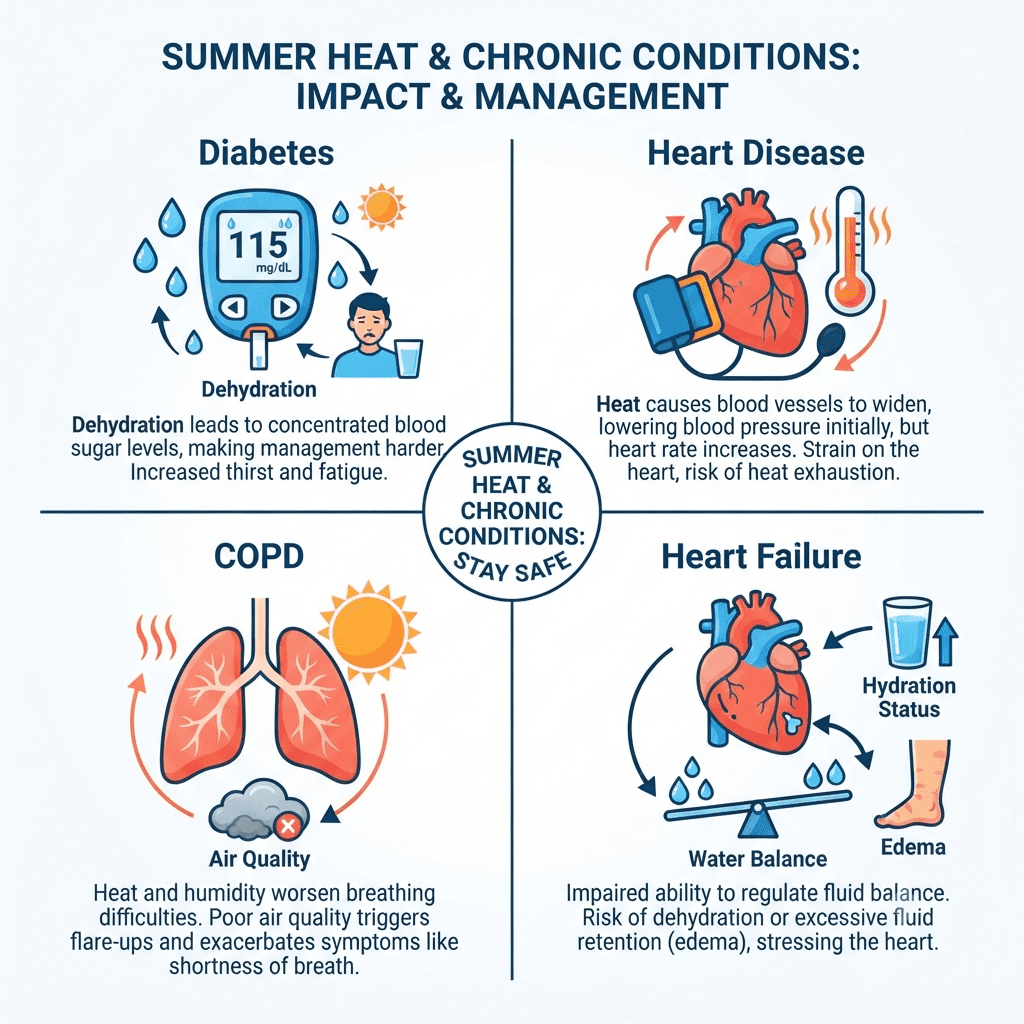
Patients with hypertension, heart disease, diabetes, kidney disease, or those who are older are more vulnerable during extreme heat, largely because of how the body responds to high temperatures. Sweating and fluid shifts change blood volume; dehydration thickens the blood slightly, and the cardiovascular system must work harder to move blood to the skin for cooling. All of this adds more strain on a system that may already be under pressure.
The scale of this risk isn't small. A scientific statement from the American Heart Association highlighted an analysis in which heat waves were associated with a 17% increase in cardiovascular mortality, with the risk climbing further as heat wave intensity increased. That's a significant number, and it underscores that heat isn't just uncomfortable for cardiovascular patients — it's a genuine clinical risk factor.
Medications Can Amplify the Risk
Here's the part that often gets missed: many of the medications used to manage hypertension and related conditions can make heat risk worse, not because they're doing anything wrong, but because they interact with how the body handles fluids and temperature.
The CDC has issued clinical guidance specifically flagging medications that increase risk during hot weather, including:
- Diuretics, which increase fluid loss and can compound dehydration
- Certain antihypertensives, which can affect the body's ability to constrict blood vessels and regulate blood pressure during heat stress
- Some antidepressants and antipsychotics, which can impair sweating or the body's internal temperature regulation
The CDC guidance goes further, advising clinicians to consider medication and fluid plan adjustments during hot weather when clinically appropriate. In other words: the standard blood pressure regimen a patient follows in January may need a second look before a July heat wave hits.
What This Means for a Patient's Daily Reality
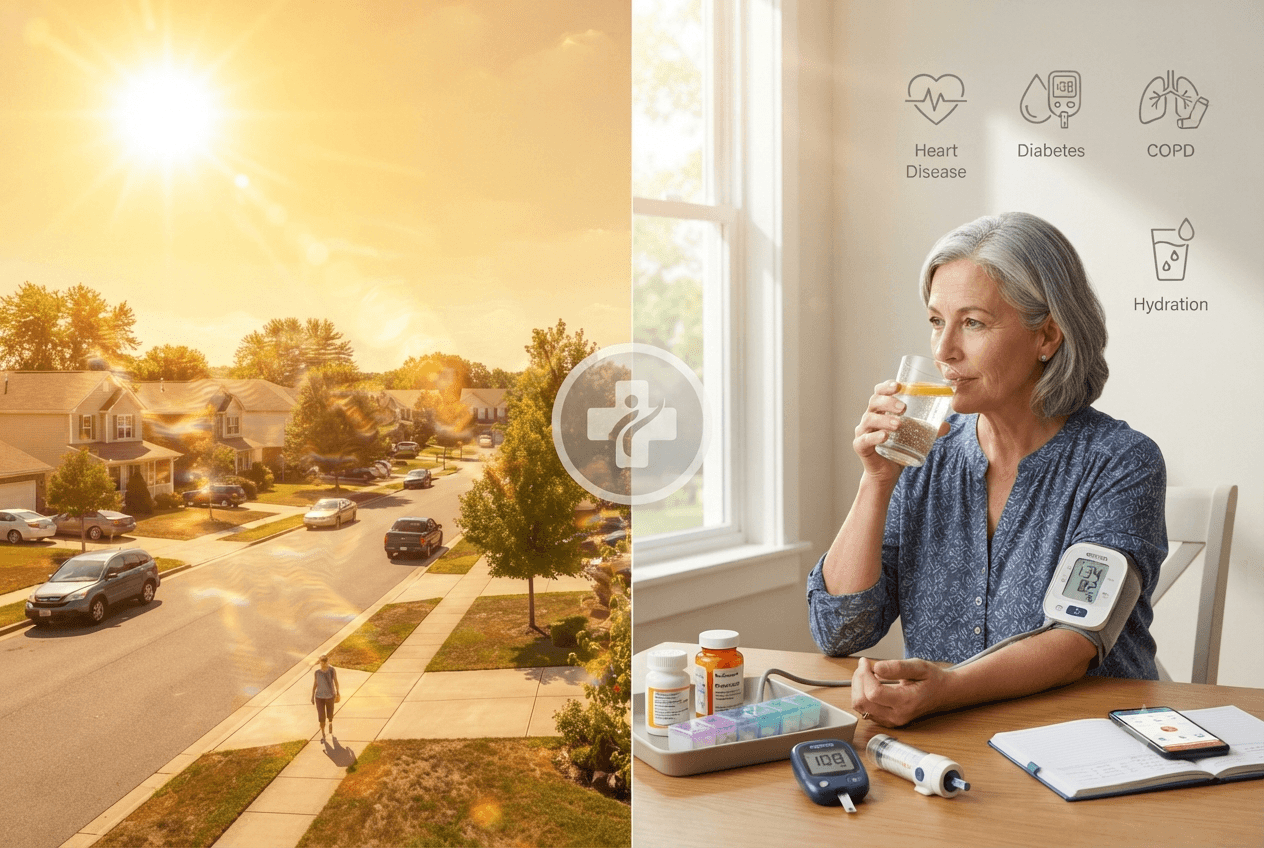
For a hypertensive patient, this creates a tricky, invisible problem. Blood pressure can trend too high, too low, or become erratic during a heat wave, and none of these shifts necessarily come up with obvious symptoms until they've progressed. A patient might feel "fine" while their readings are quietly drifting outside a safe range for days.
Without regular readings, this kind of drift is easy to miss until it turns into a dizzy spell, a fall, or a more serious cardiovascular event.
Where Remote Monitoring Fits In
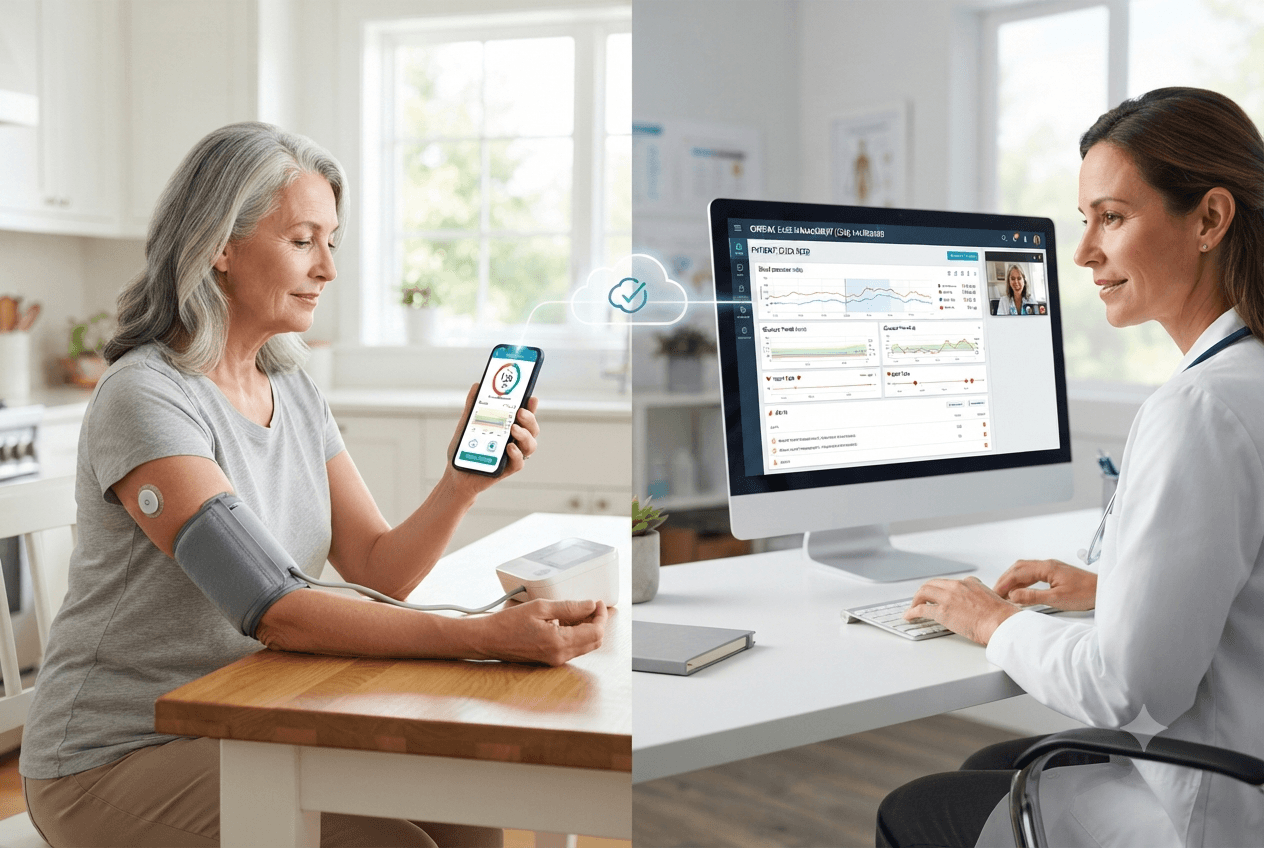
This is exactly the gap Remote Patient Monitoring (RPM) is designed to close. Instead of relying on an occasional in-office check, RPM gives care teams daily visibility into a patient's blood pressure trends. That means a care team can spot a reading trending too high, too low, or becoming unstable during a heat event and reach out before it becomes a bigger problem.
The evidence supporting this approach continues to grow. A 2024 study found that RPM was associated with improved hypertension control, and additional research on home blood pressure telemonitoring paired with remote clinical management has shown measurable improvements in blood pressure outcomes compared with usual care alone.
For practices managing hypertensive patients, this means summer heat waves don't have to be a blind spot. Daily home readings, reviewed consistently, give care teams the ability to make small, timely adjustments — a medication tweak, a hydration reminder, a same-week check-in — instead of reacting after the fact.
The Takeaway
Heat waves aren't just an outdoor safety issue. For patients managing hypertension, they're a blood pressure management issue, made more complex by medications that were prescribed with good intentions but now need closer attention in extreme heat. Consistent monitoring through RPM gives practices a practical, evidence-backed way to keep patients safer through the hottest months of the year.
This content is for general educational purposes and is not a substitute for personalized medical advice. Patients should not adjust or stop any medication without talking to their care team.