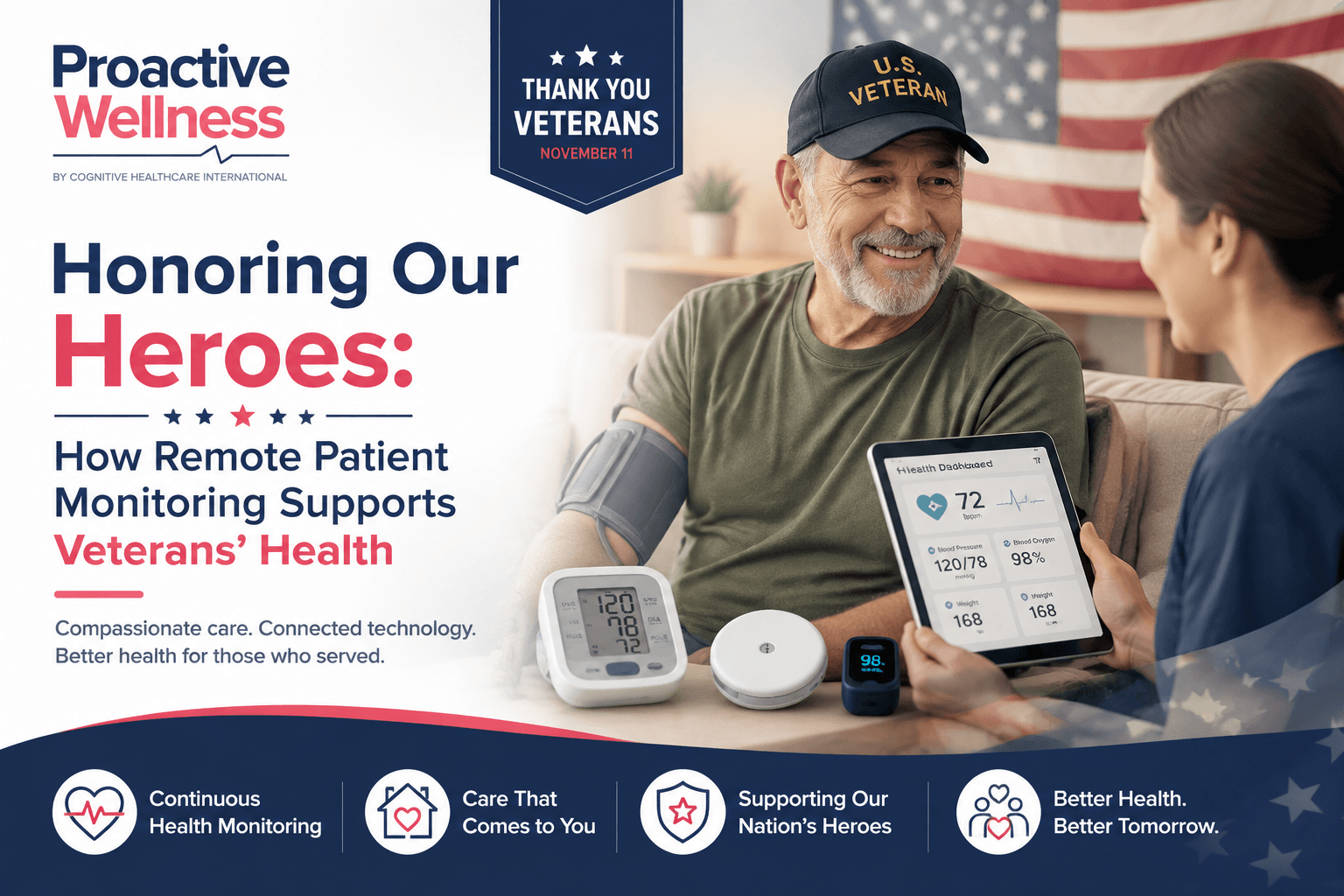

Honoring Our Heroes: How Remote Patient Monitoring Supports Veterans’ Health
Veterans often face barriers to care. RPM improves access for those with chronic conditions, especially in rural or underserved communities.
Insights & Announcements
Stay current with ProactiveWellness Care news, RPM and CCM insights, and operational guidance for care teams.

The 2026 Medicare Final Rule introduces significant updates for RPM and CCM, including new CPT codes and reimbursement parity.

Veterans often face barriers to care. RPM improves access for those with chronic conditions, especially in rural or underserved communities.

Hypertension doesn't just harm the heart—it's a critical factor in dementia risk. Controlling blood pressure is key to protecting brain health and independence.

Combining CCM and RPM creates a comprehensive care model that improves patient outcomes and generates significant monthly recurring revenue.

CMS has approved standard RPM codes for FQHCs, eliminating modifier complexities and driving digital health in underserved communities.

Traditional care models are reactive. The digital revolution—RPM, AI, and telehealth—is making healthcare proactive and personalized.

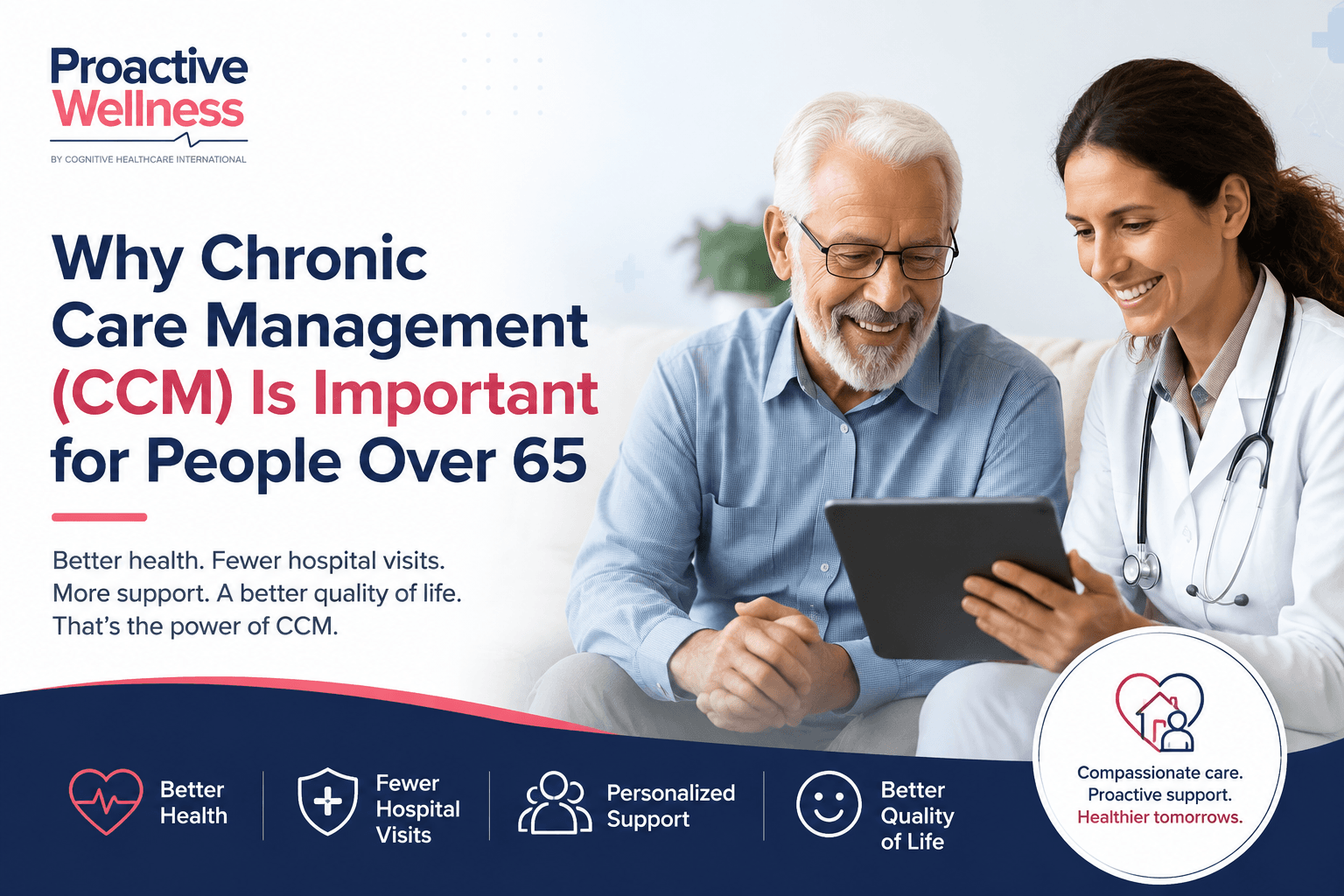
As we age, chronic conditions become more common. CCM provides the coordinated care and monitoring needed for healthy aging.

Wearables, telehealth, and AI are transforming chronic care management. Technology enables continuous monitoring and more personalized patient outcomes.
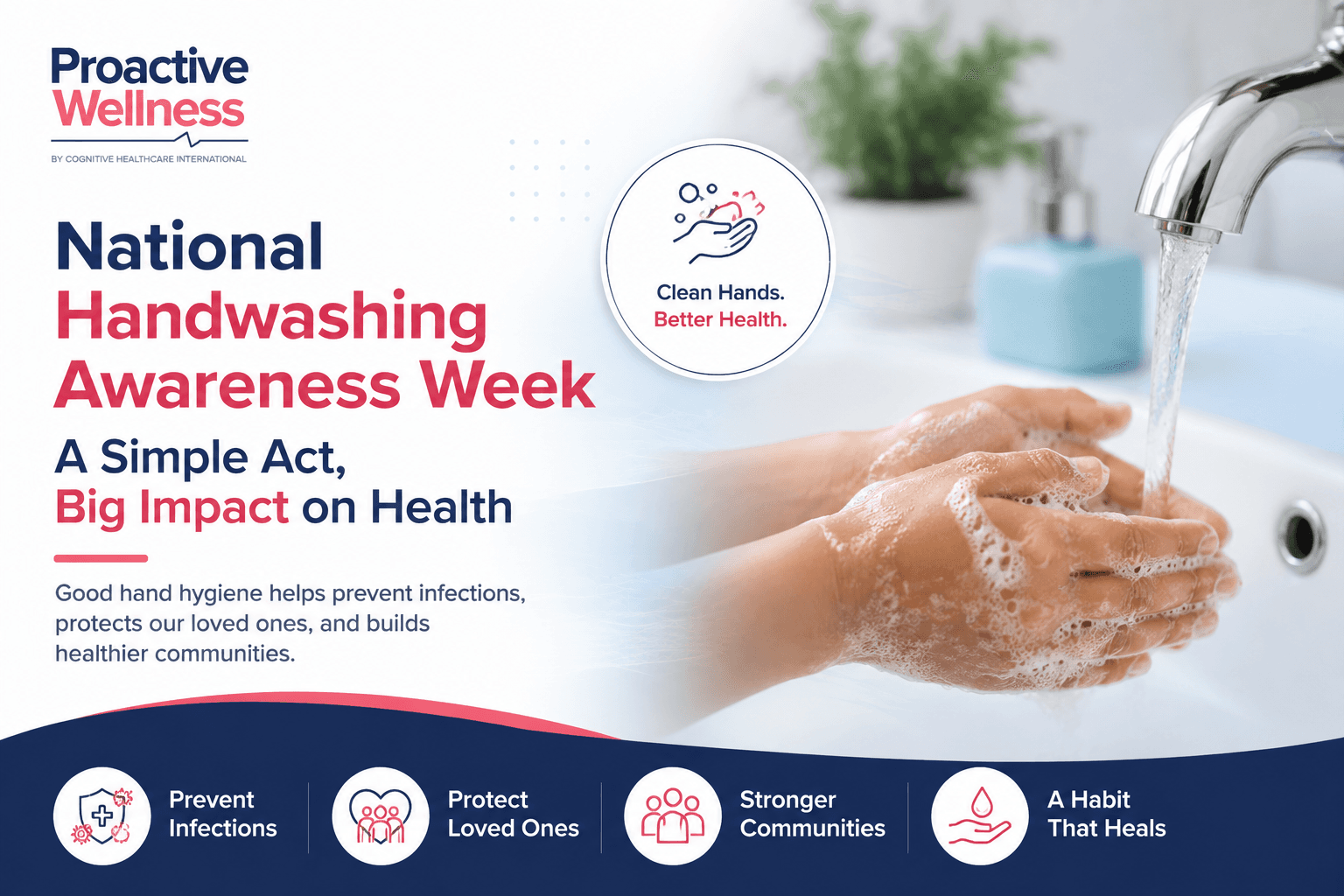
Hand hygiene is critical for those with chronic conditions. Combined with RPM and CCM, it significantly improves patient safety and outcomes.

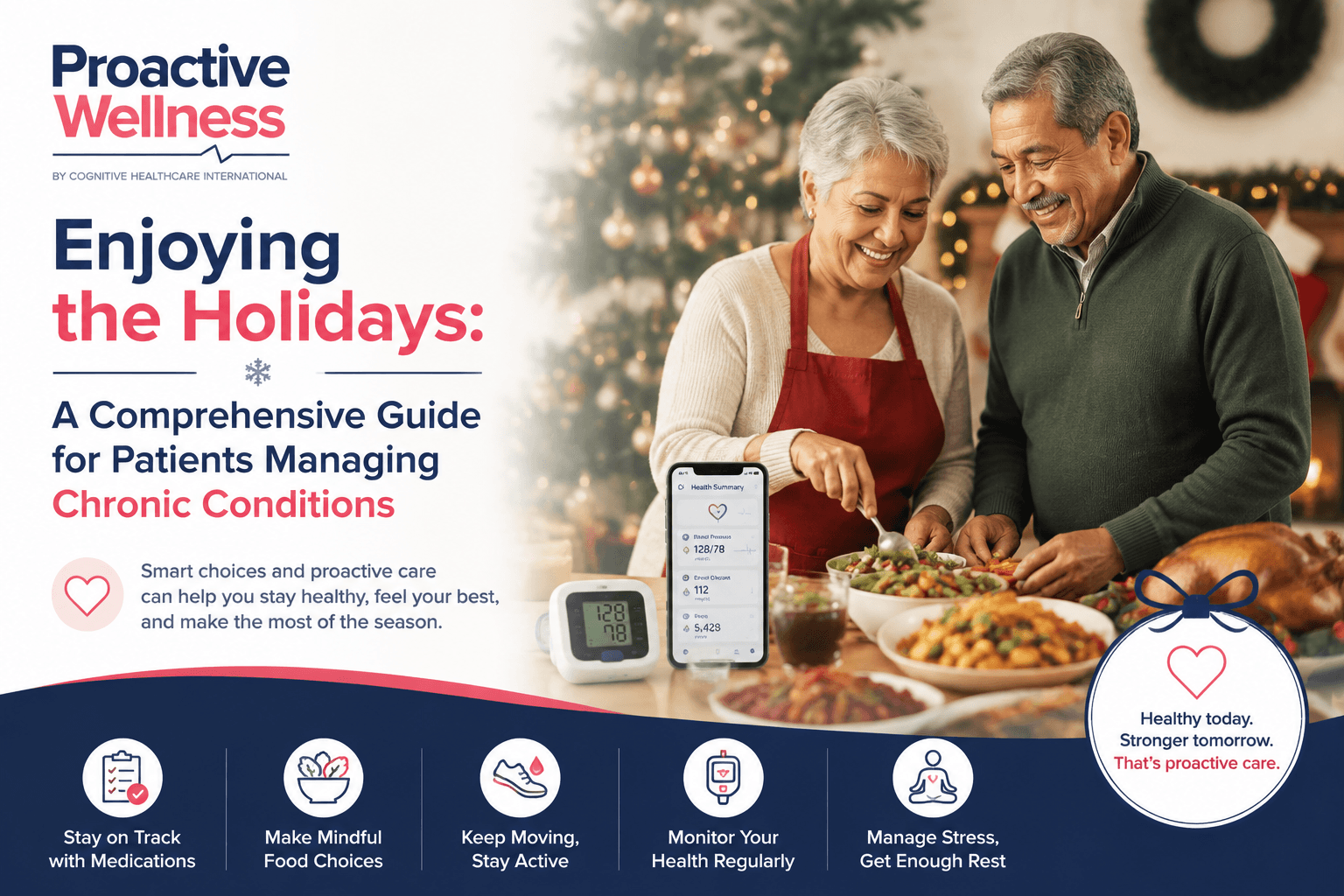
The holidays bring joy but can also challenge chronic condition management. Use this guide to navigate festivities while prioritizing your health.

Family caregivers face immense pressure. CCM programs, supported by technology, offer resources to ease the burden and improve care.

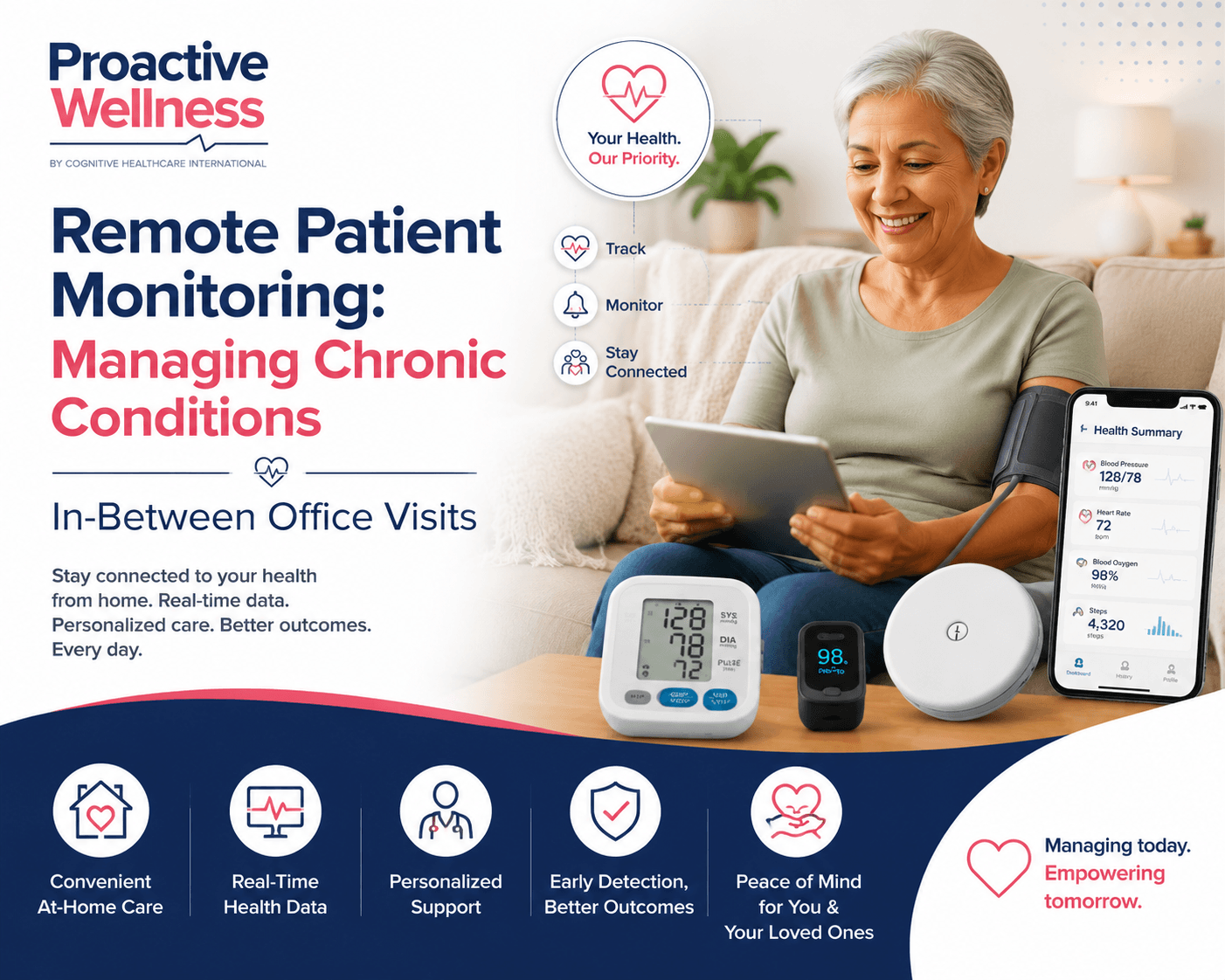
Ensuring continuous care between visits is challenging. RPM revolutionizes management through real-time data collection and proactive interventions.

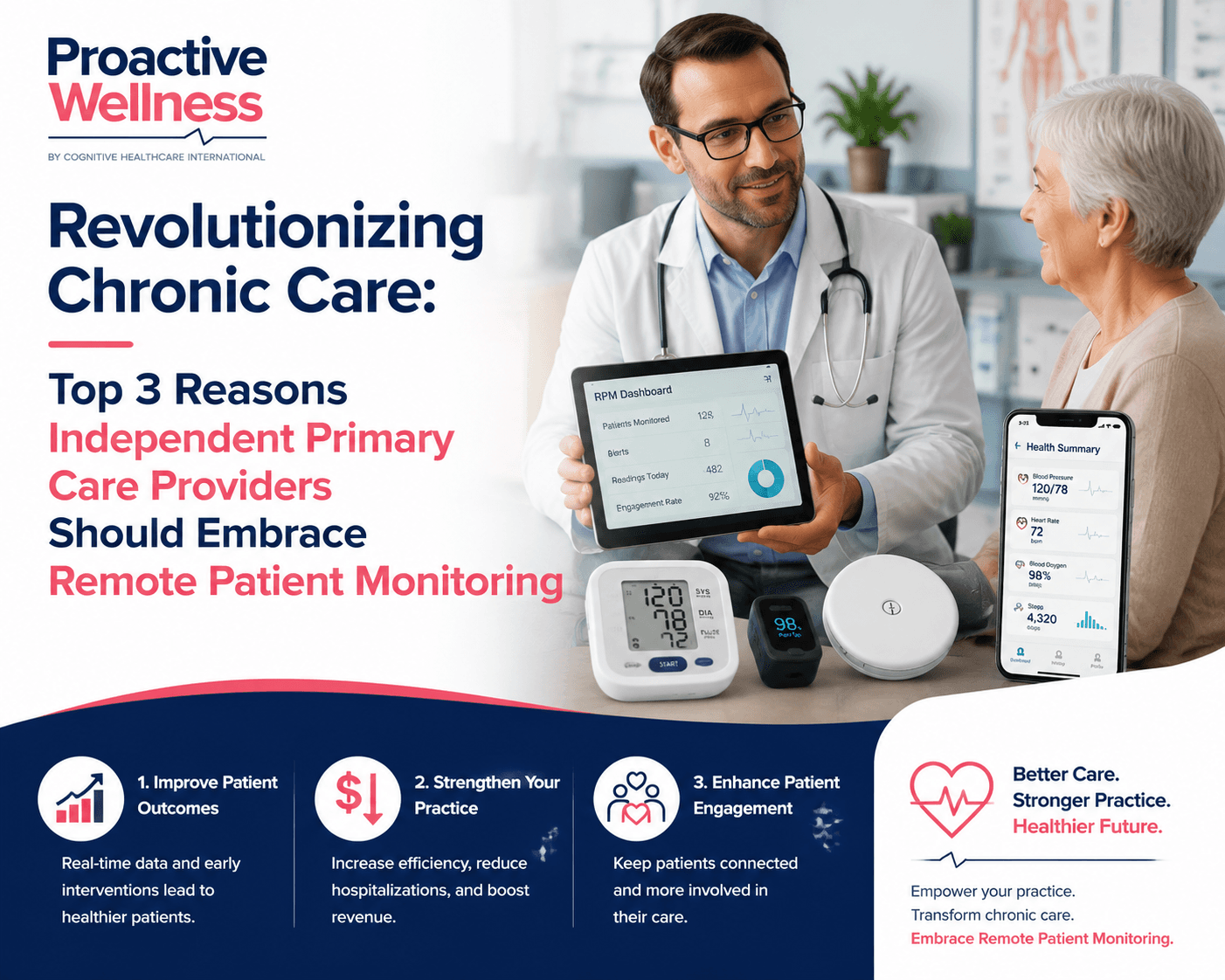
Providing high-quality care between visits is a challenge for independent providers. RPM offers proactive management, engagement, and workflow efficiency.

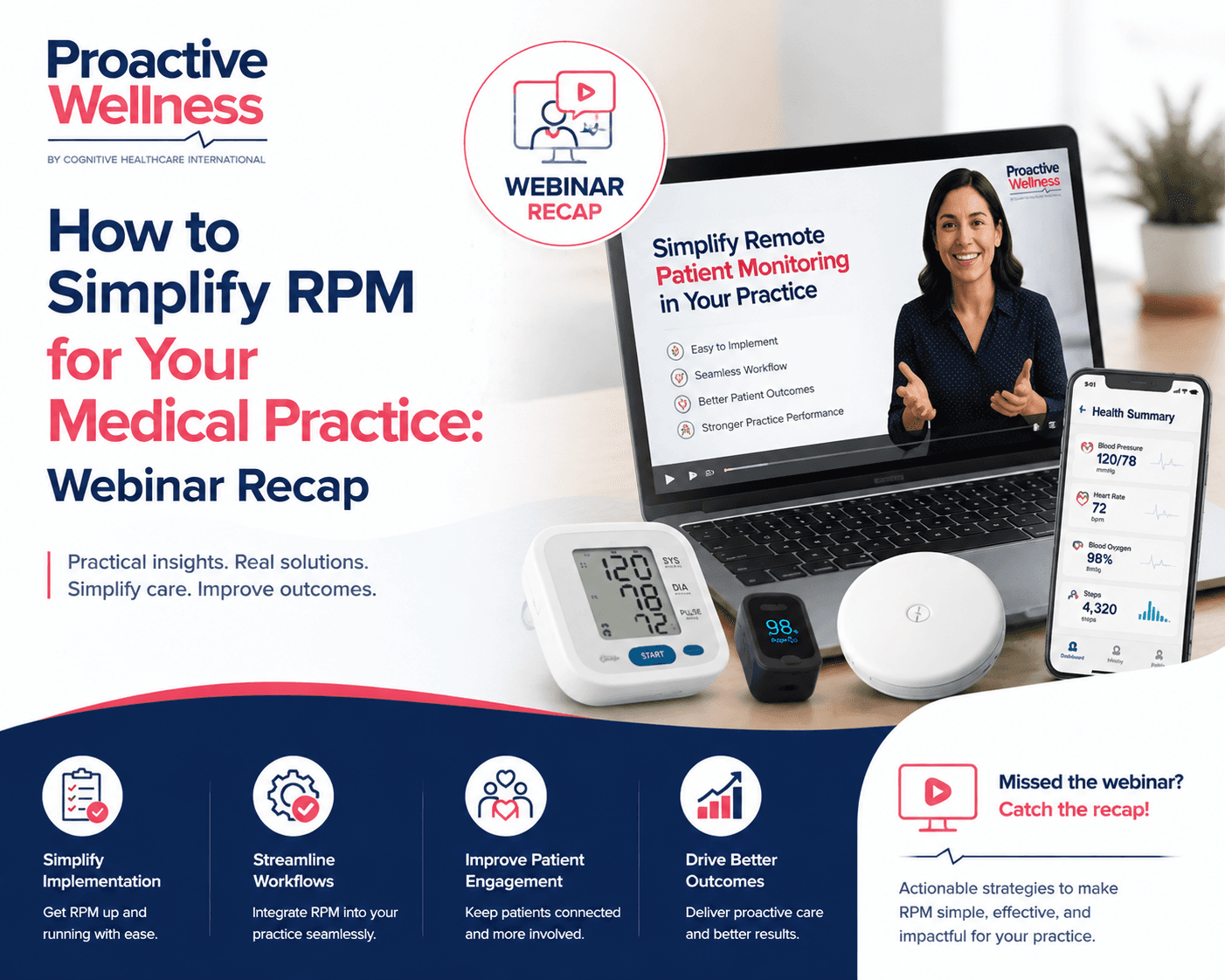
A practical recap of the ProactiveWellness Care RPM webinar covering common implementation blockers and a cleaner operating model for care teams.

National PTSD Awareness Day highlights the link between chronic stress and high blood pressure. RPM offers a solution for managing both conditions.

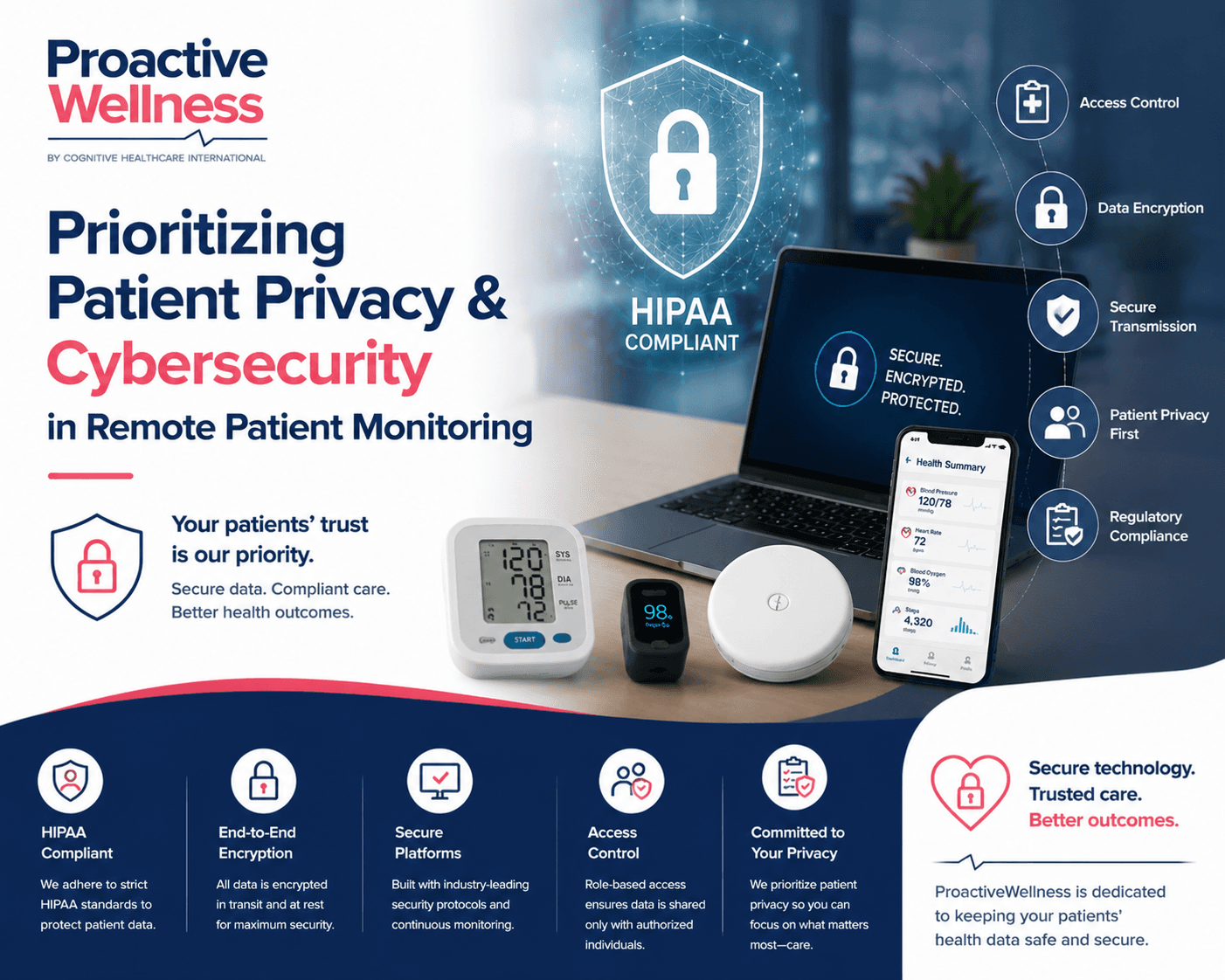
RPM platforms collect sensitive data. At ProactiveWellness, we prioritize robust cybersecurity and HIPAA compliance to safeguard patient information.

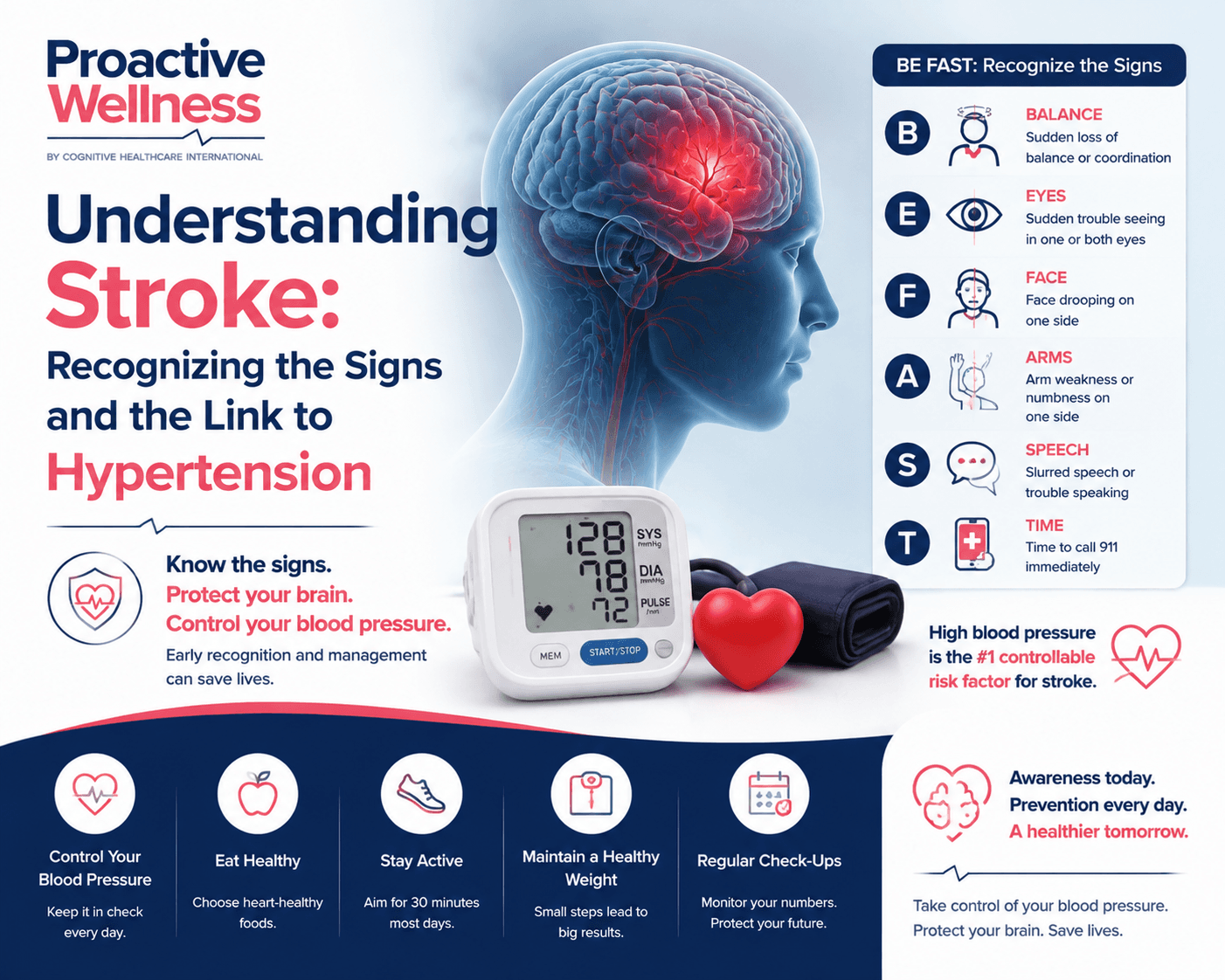
Stroke is a leading cause of disability. Recognizing the FAST warning signs and managing hypertension via RPM are critical to saving lives.

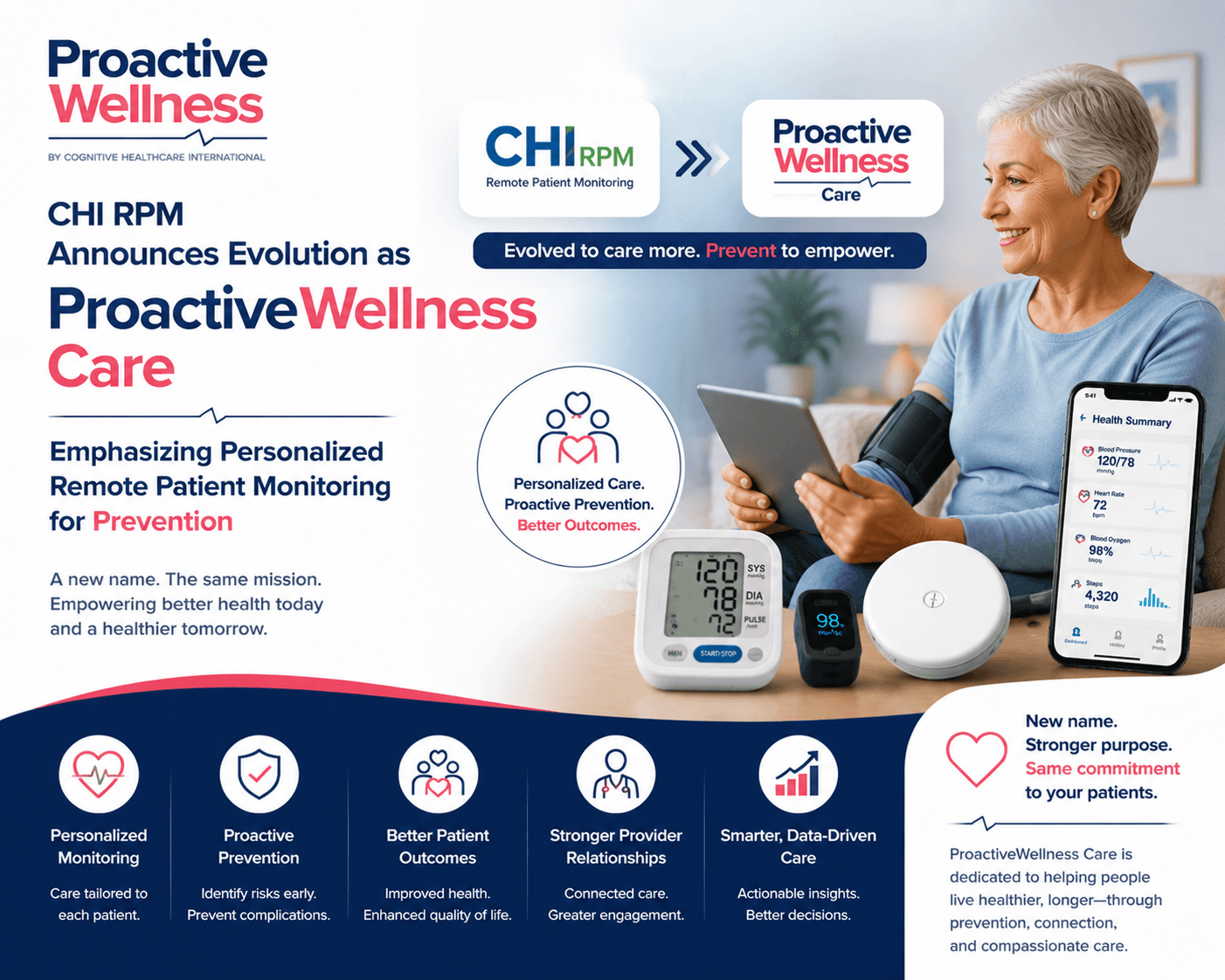
Cognitive Healthcare International announces its evolution as ProactiveWellness Care, focusing on personalized RPM and proactive patient wellness.

Achieving health goals doesn't require crash diets. RPM provides the real-time data and guidance needed for personalized, sustainable transformation.

The number of US patients using RPM is expected to reach 30 million by 2024. RPM is transforming healthcare quality, accessibility, and affordability.

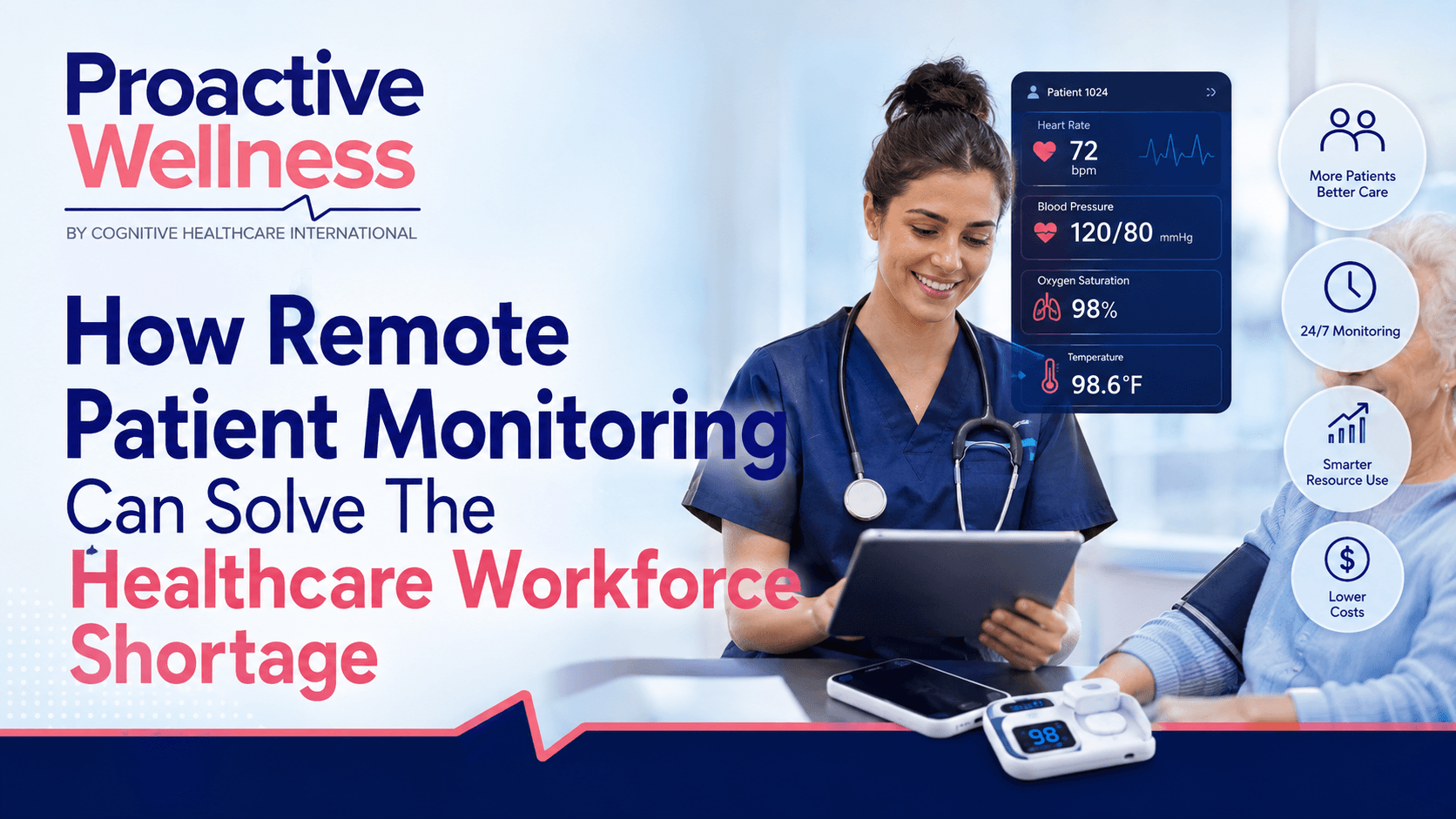
Nearly half of US healthcare workers plan to quit by 2025. RPM offers a sustainable solution by reducing burnout and increasing efficiency.

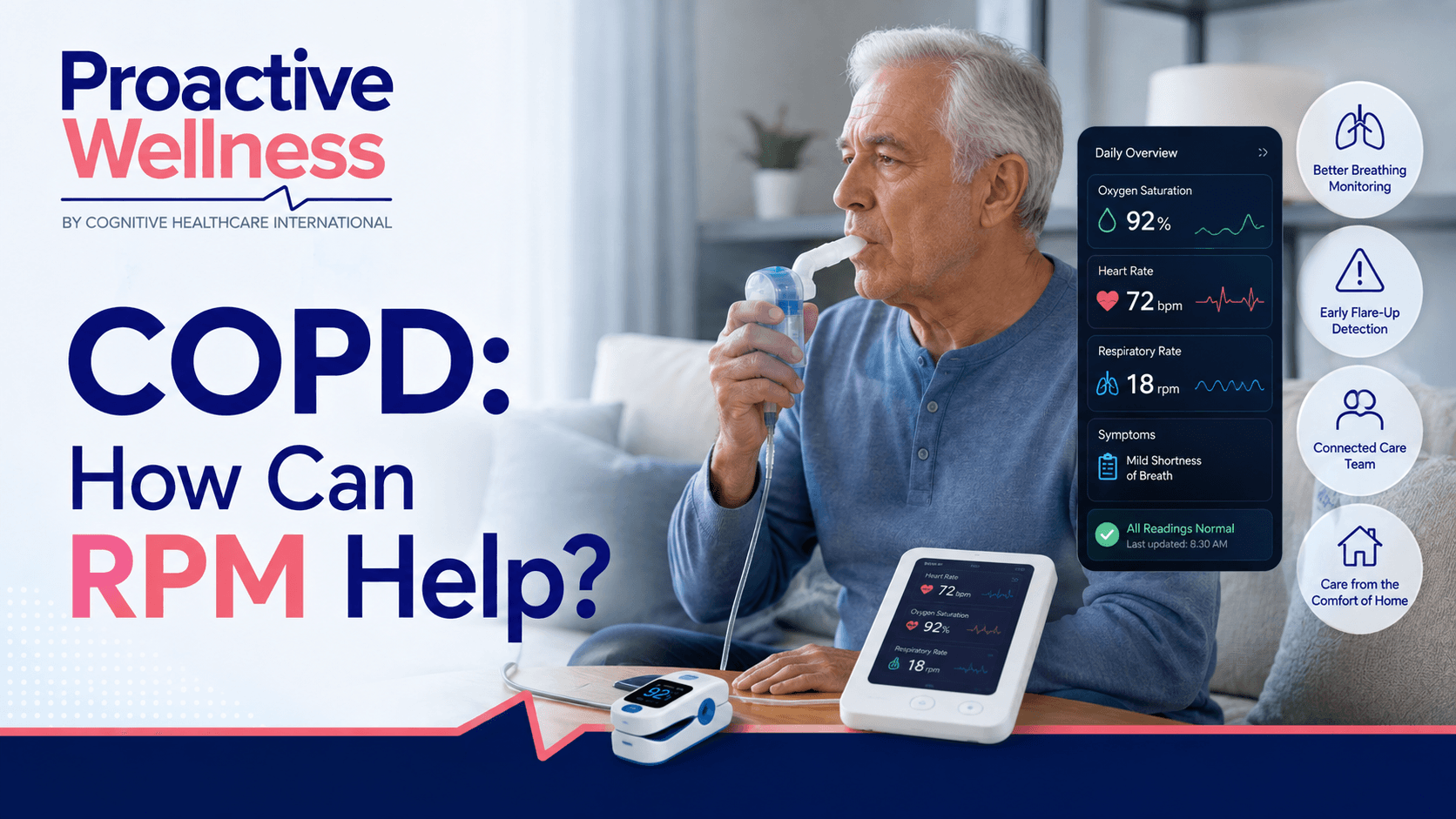
Chronic obstructive pulmonary disease is a progressive lung disease. RPM helps monitor symptoms, medication adherence, and improves patient quality of life.

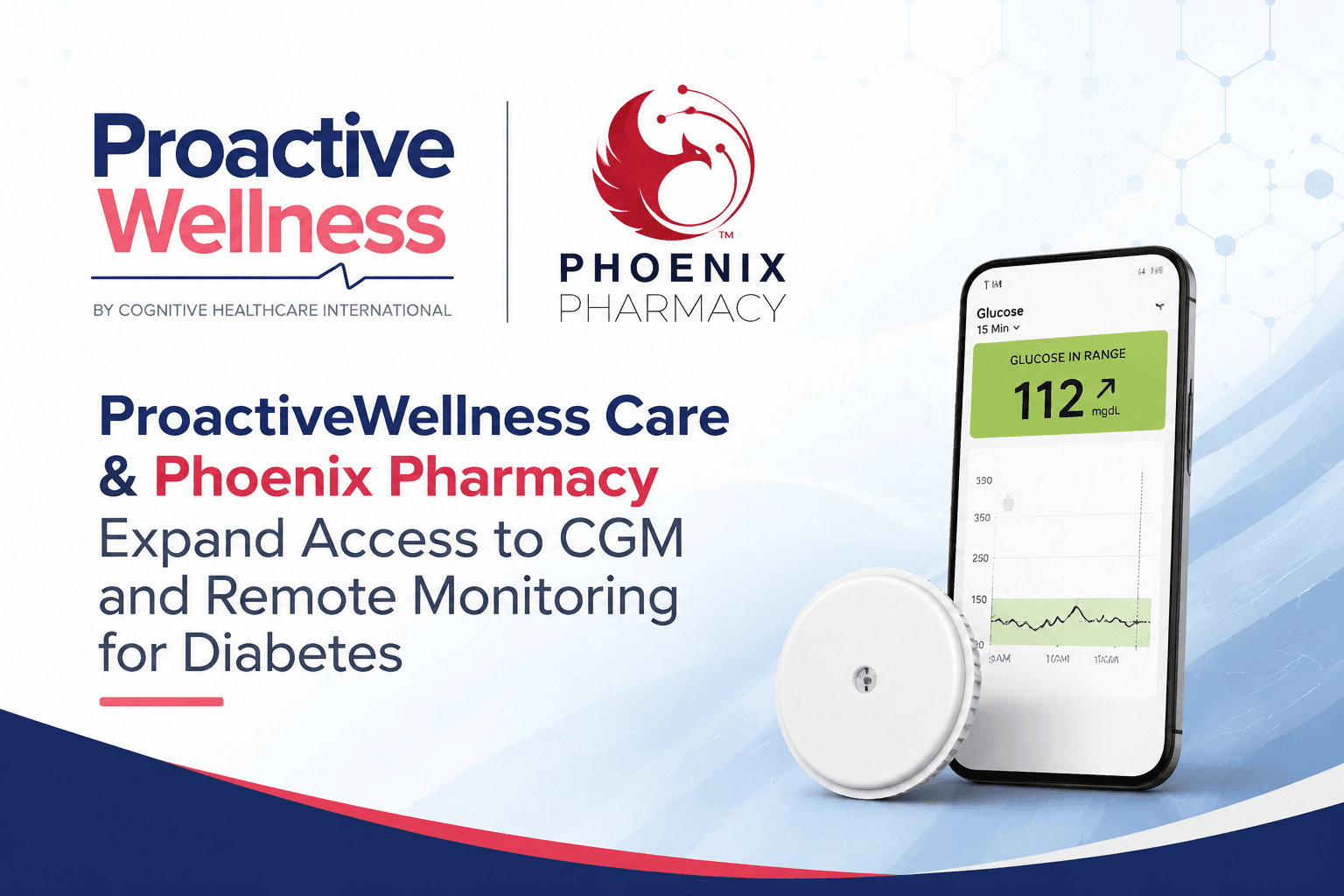
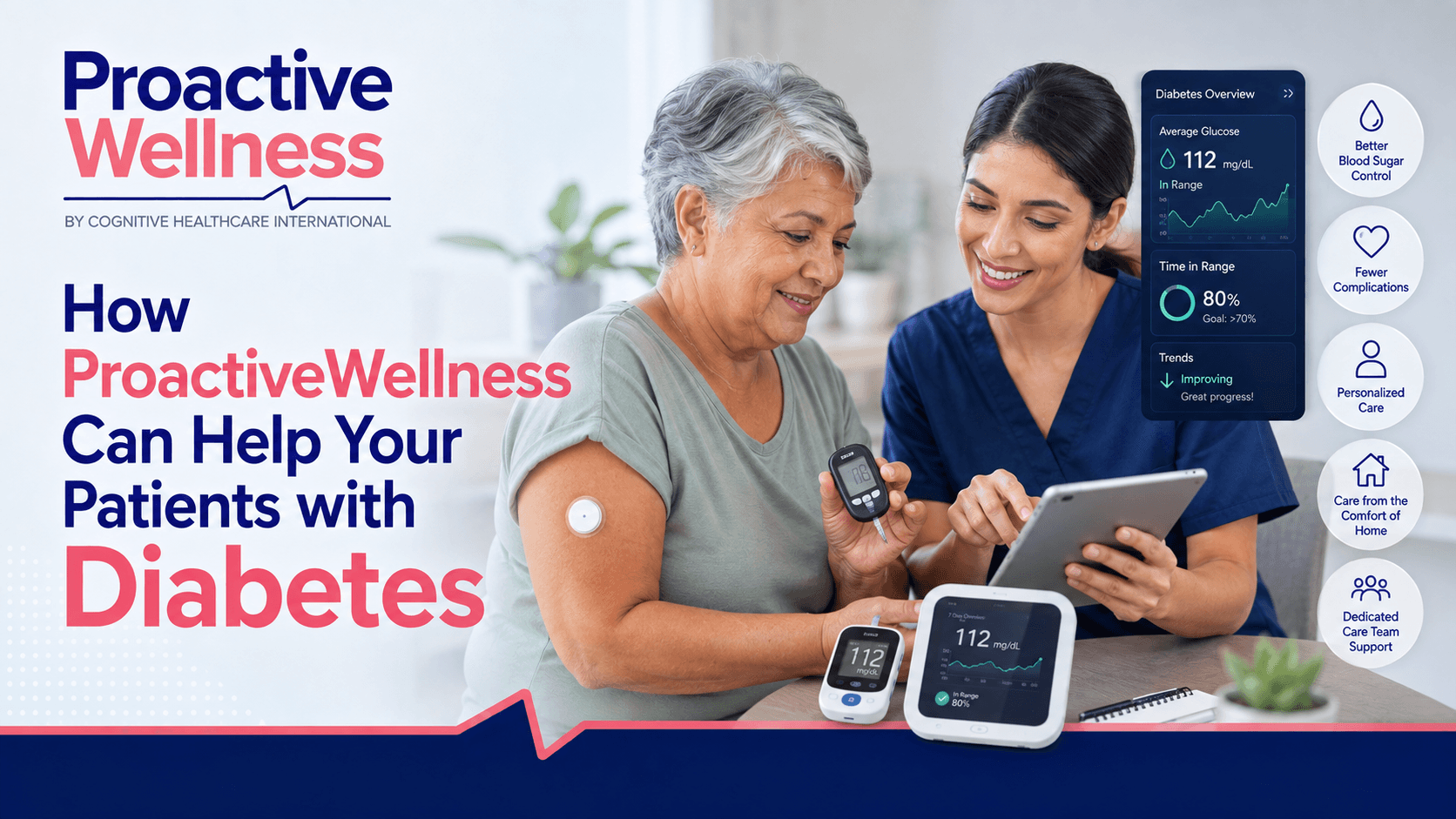
RPM devices allow diabetes patients to track blood glucose and insulin from home, leading to better glycemic control and fewer complications.

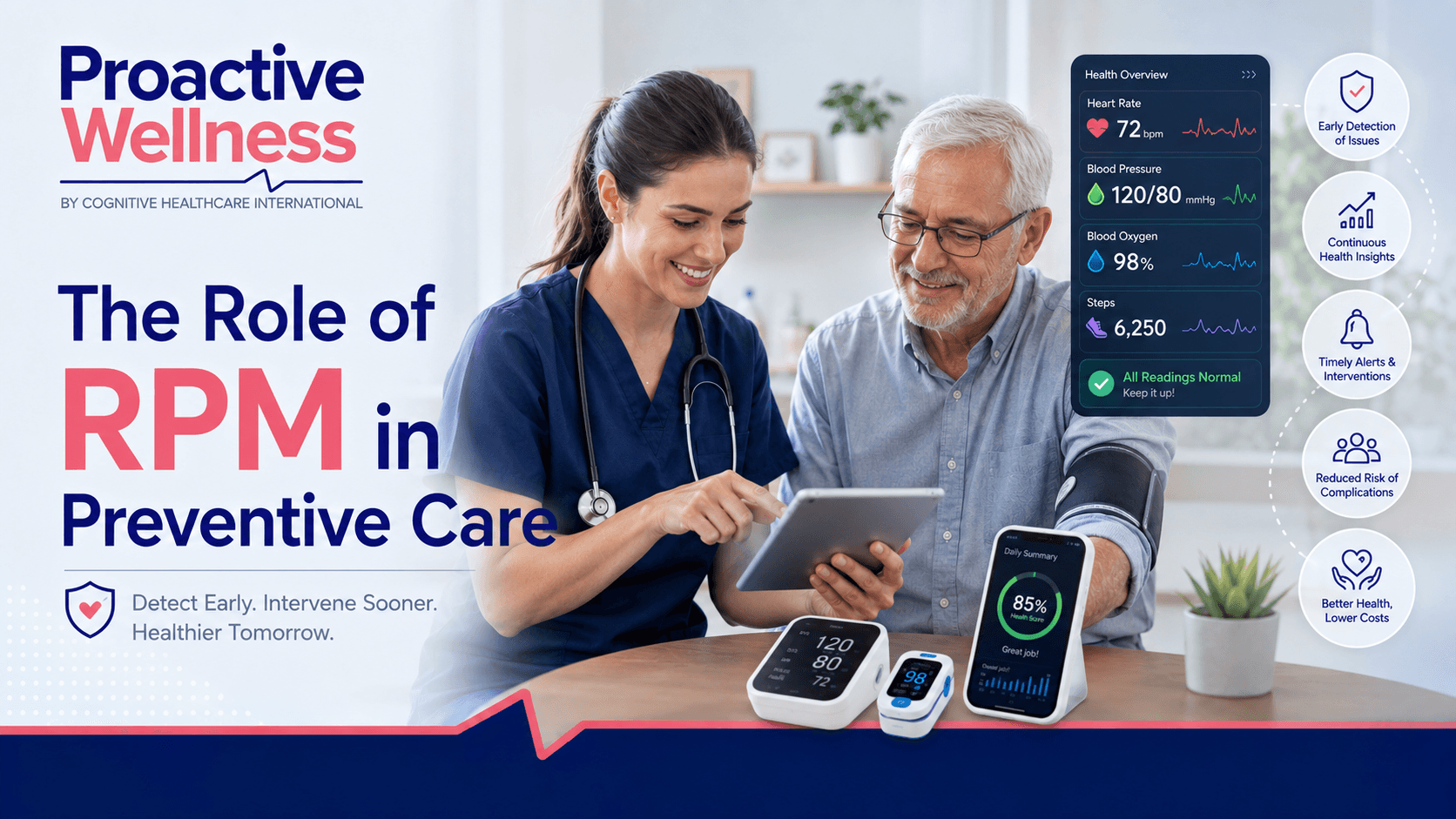
RPM is a vital subset of telehealth that enhances preventive care through connectivity, self-monitoring, and proactive health management.

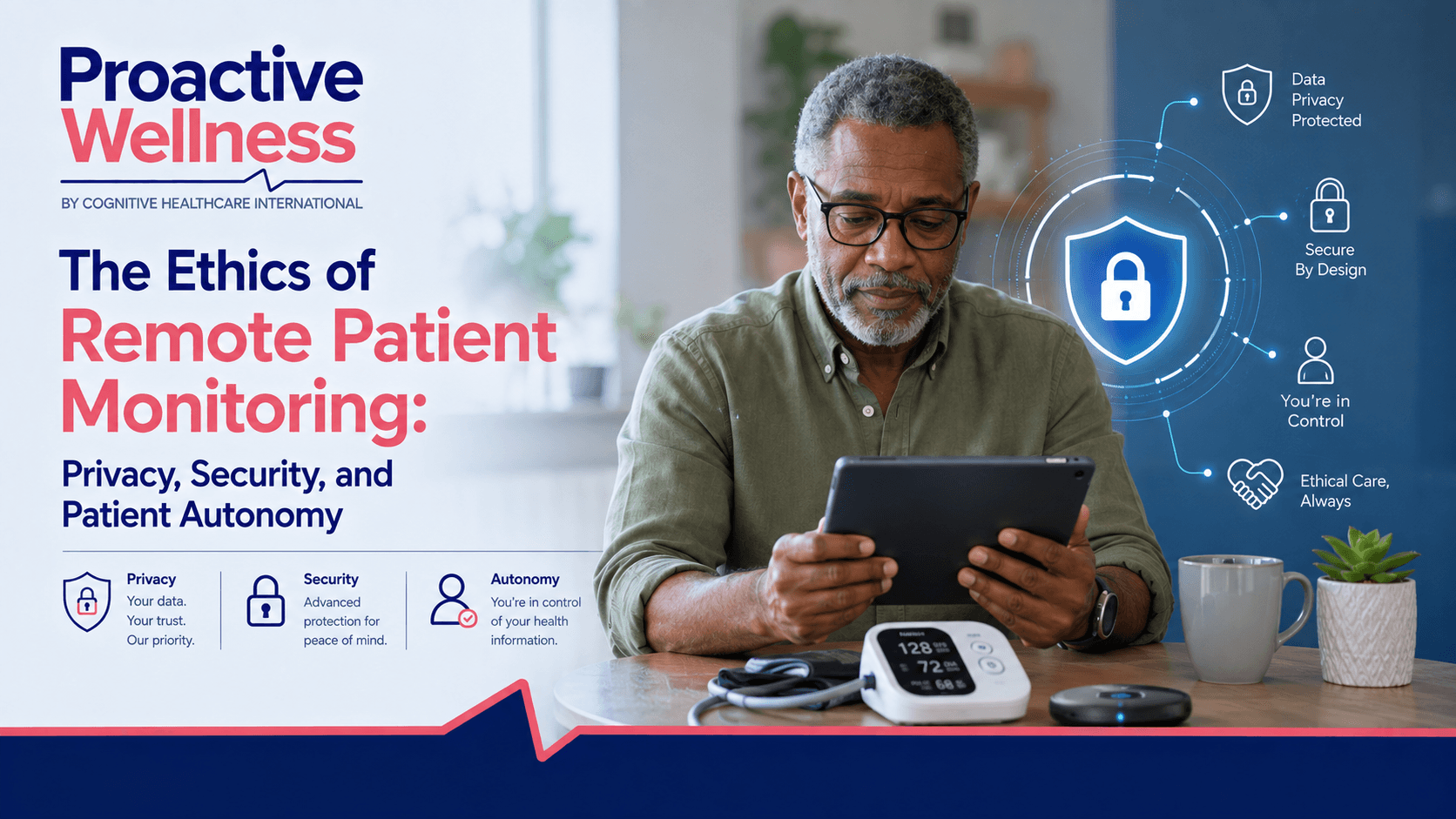
RPM offers immense potential for care delivery, but it raises critical ethical questions regarding data privacy, cybersecurity, and patient rights.

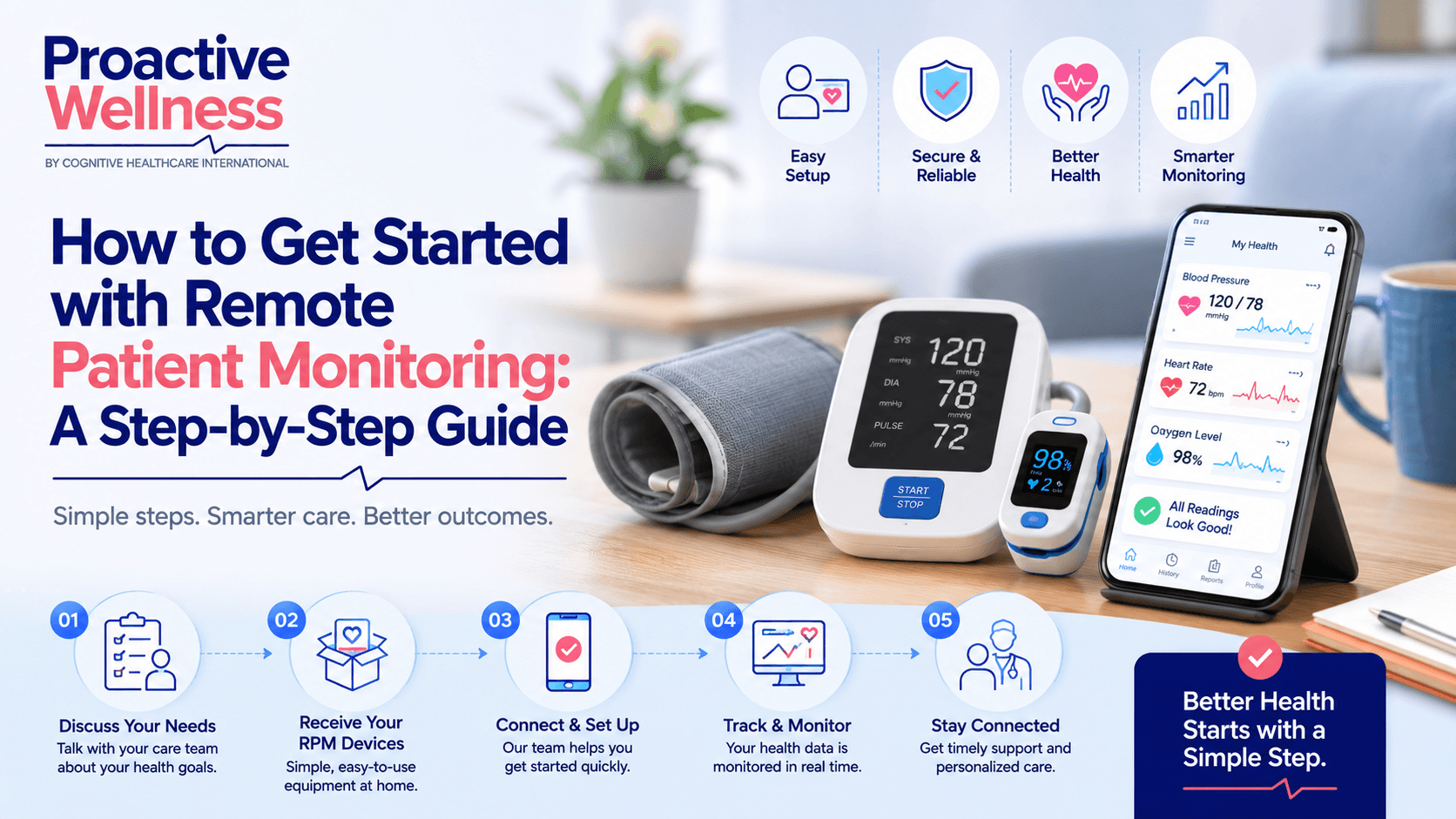
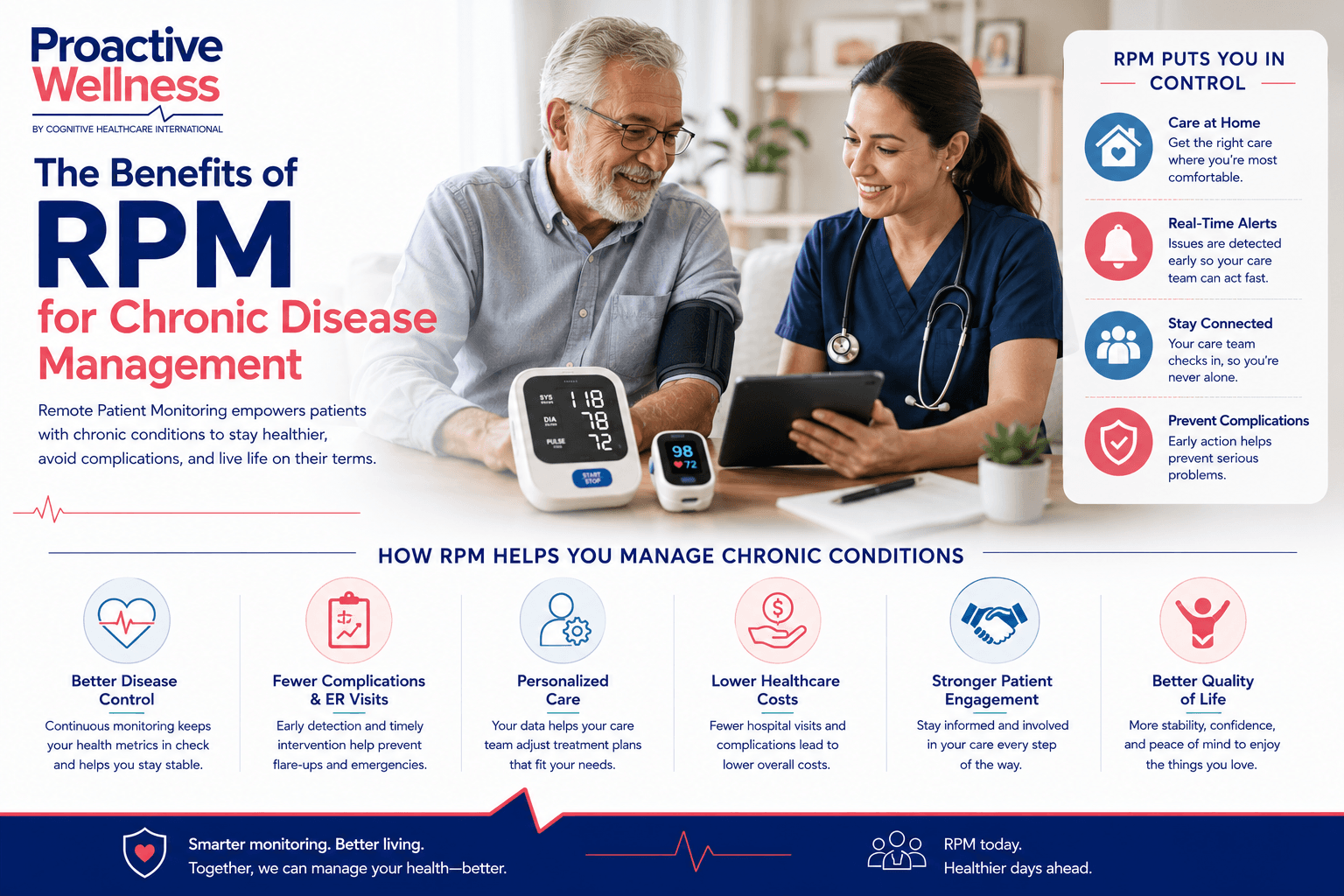
RPM help you manage your condition, improve outcomes, and reduce costs. This guide explains how it works and how to begin your RPM journey.

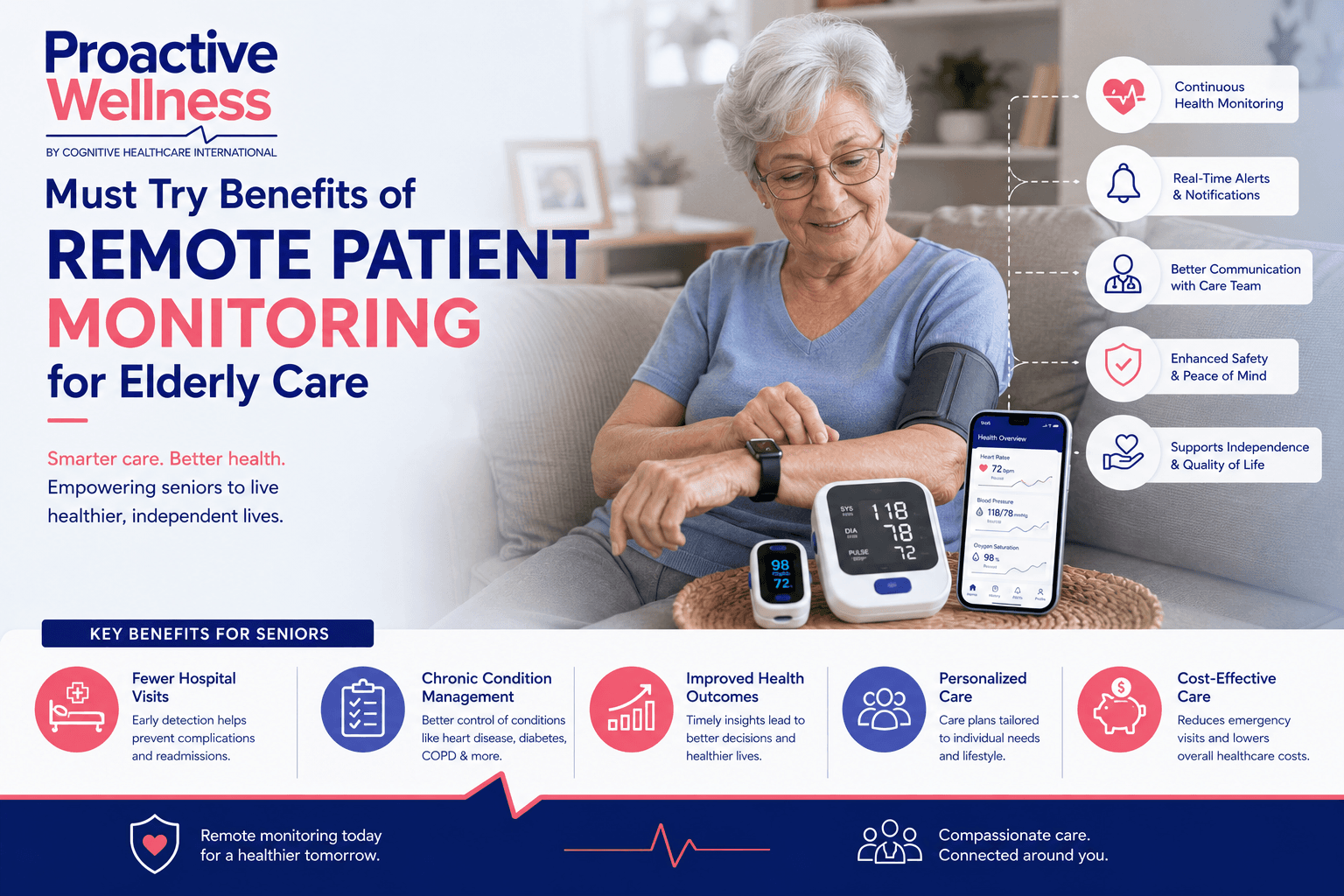
Elderly patients often face barriers to regular care. RPM provides easier access, improved support, and increased independence for aging populations.

Selecting the right RPM device is crucial for patient outcomes. This guide covers factors like condition severity, compatibility, and usability.

RPM is expected to save $200 billion in healthcare costs globally over the next 25 years by preventing avoidable hospital visits and readmissions.

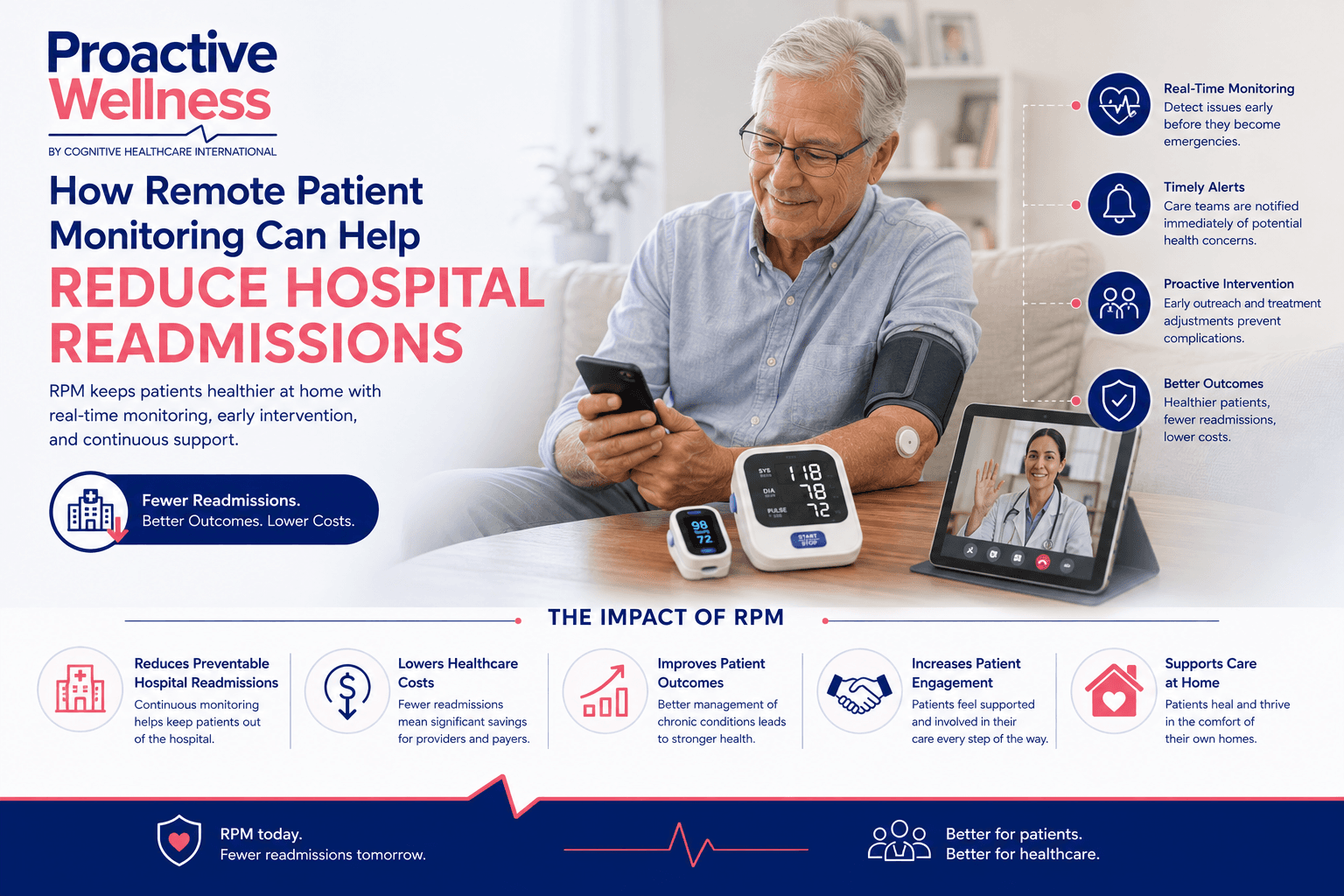
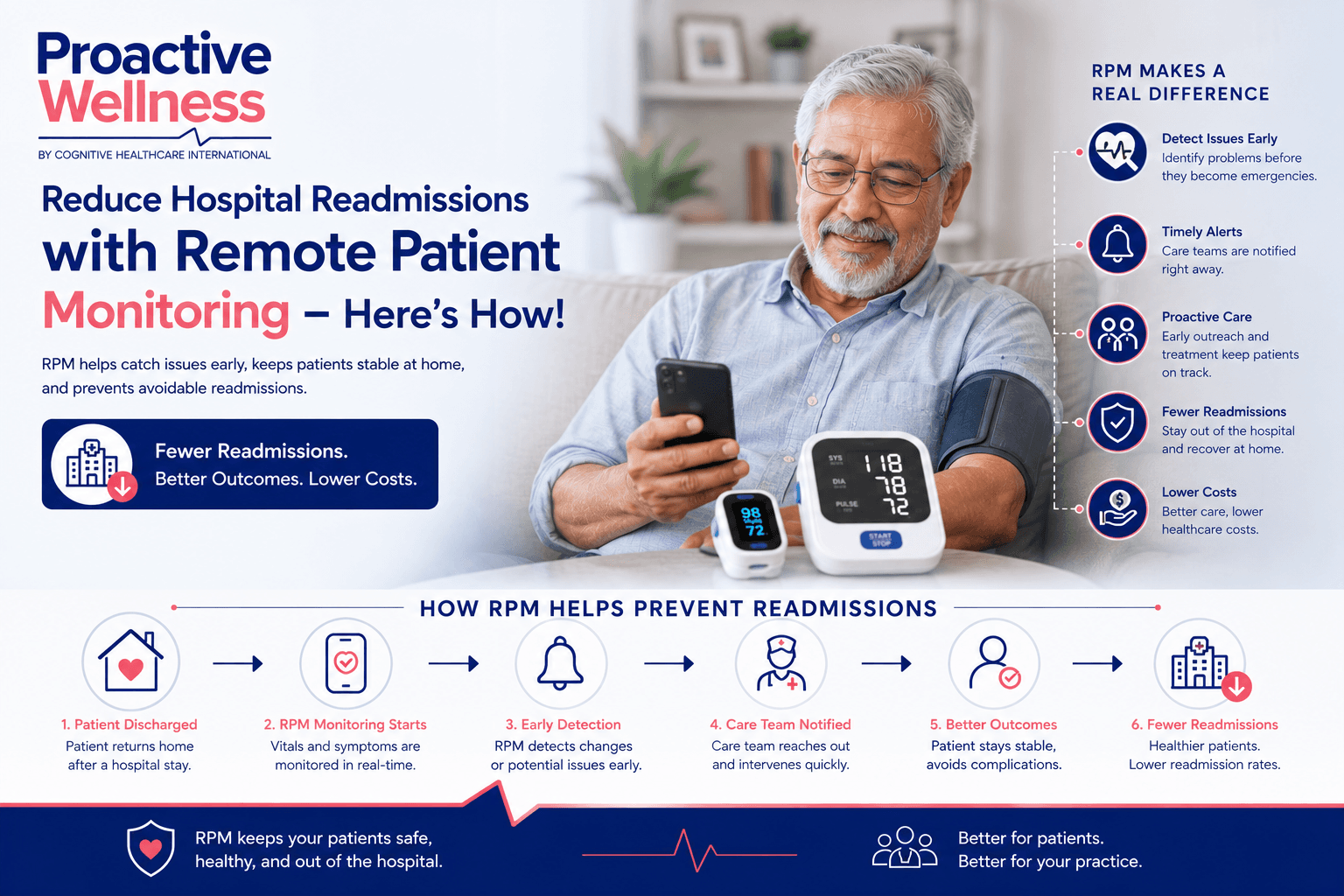
1 in 5 Medicare patients are readmitted within 30 days. RPM has been proven to reduce these readmissions by up to 63% for certain conditions.

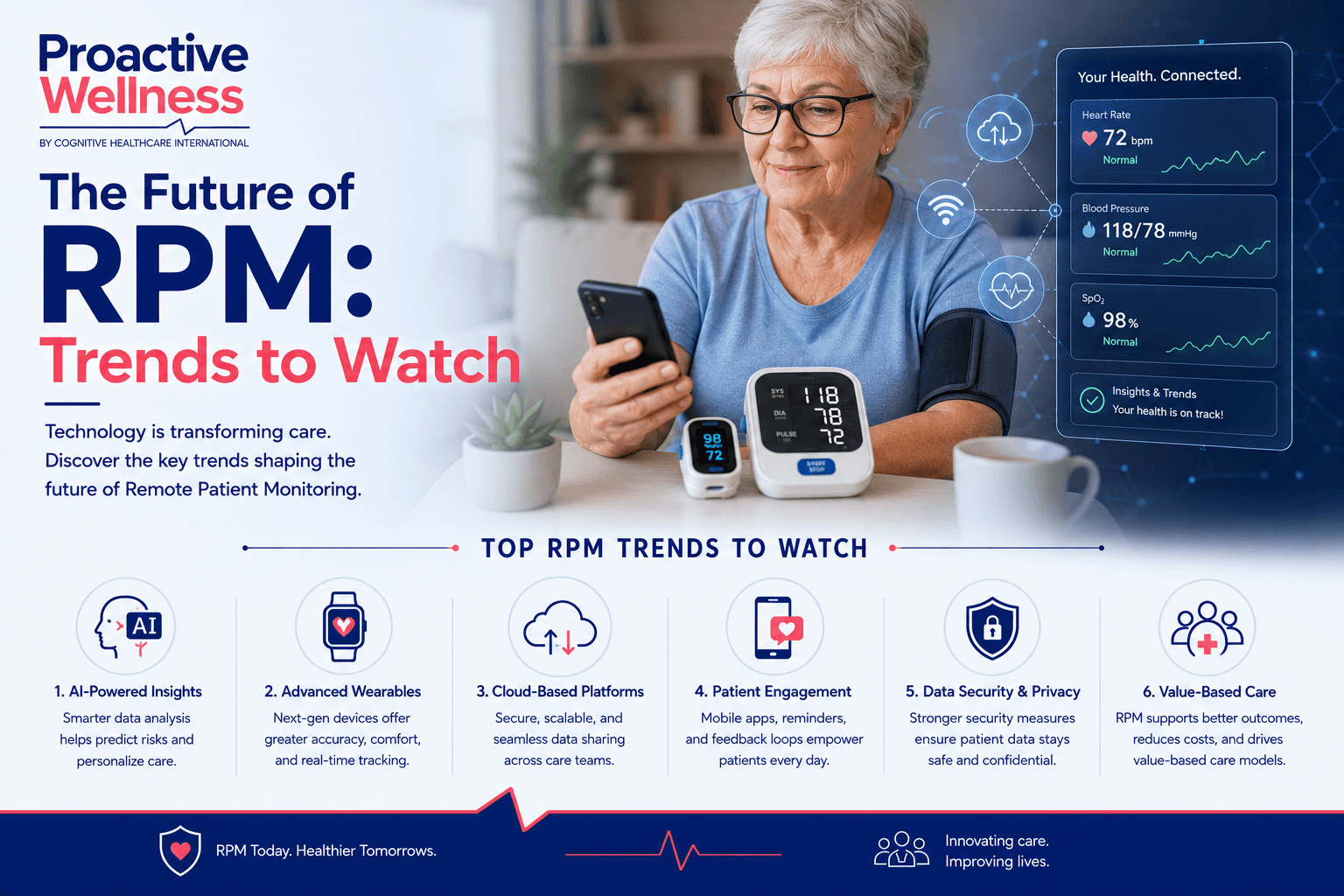
RPM adoption surged post-pandemic. Key trends include AI integration, expansion in chronic disease management, and adoption by employers.

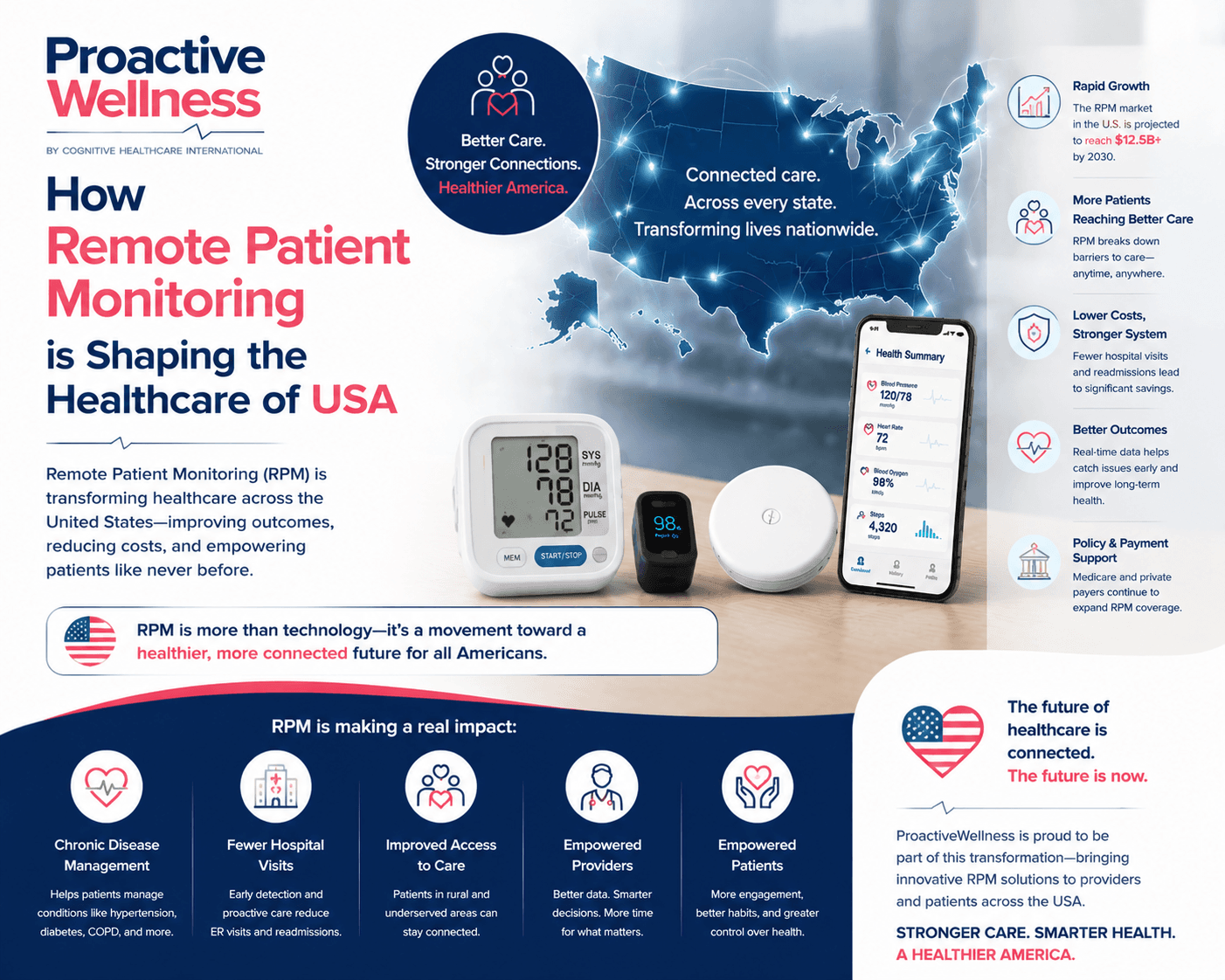
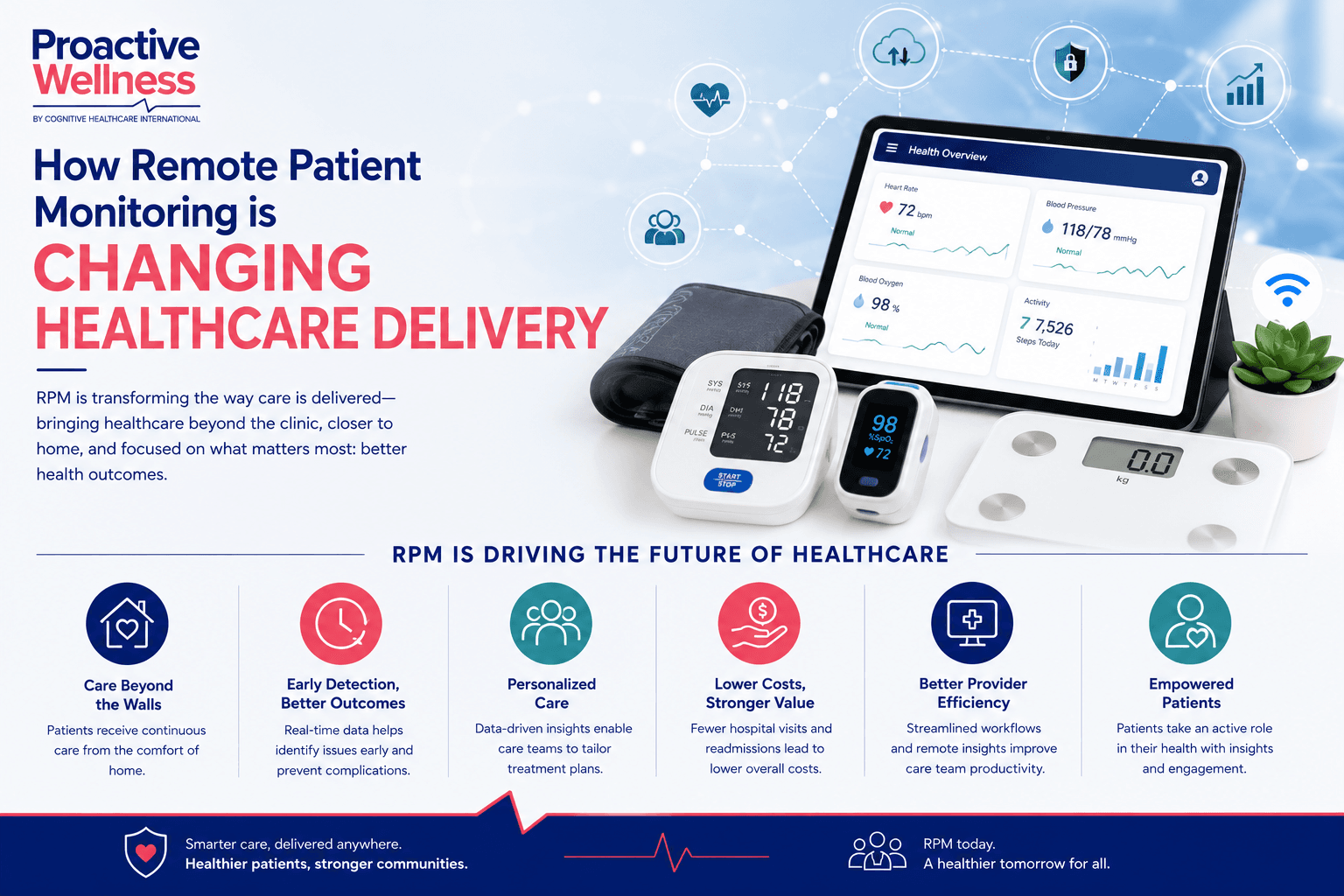
RPM is transforming healthcare by improving outcomes, reducing costs, and increasing access to care without the need for in-person visits.

Chronic diseases affect millions of Americans. The AMA supports RPM integration to improve patient engagement, quality of care, and cost-effectiveness.

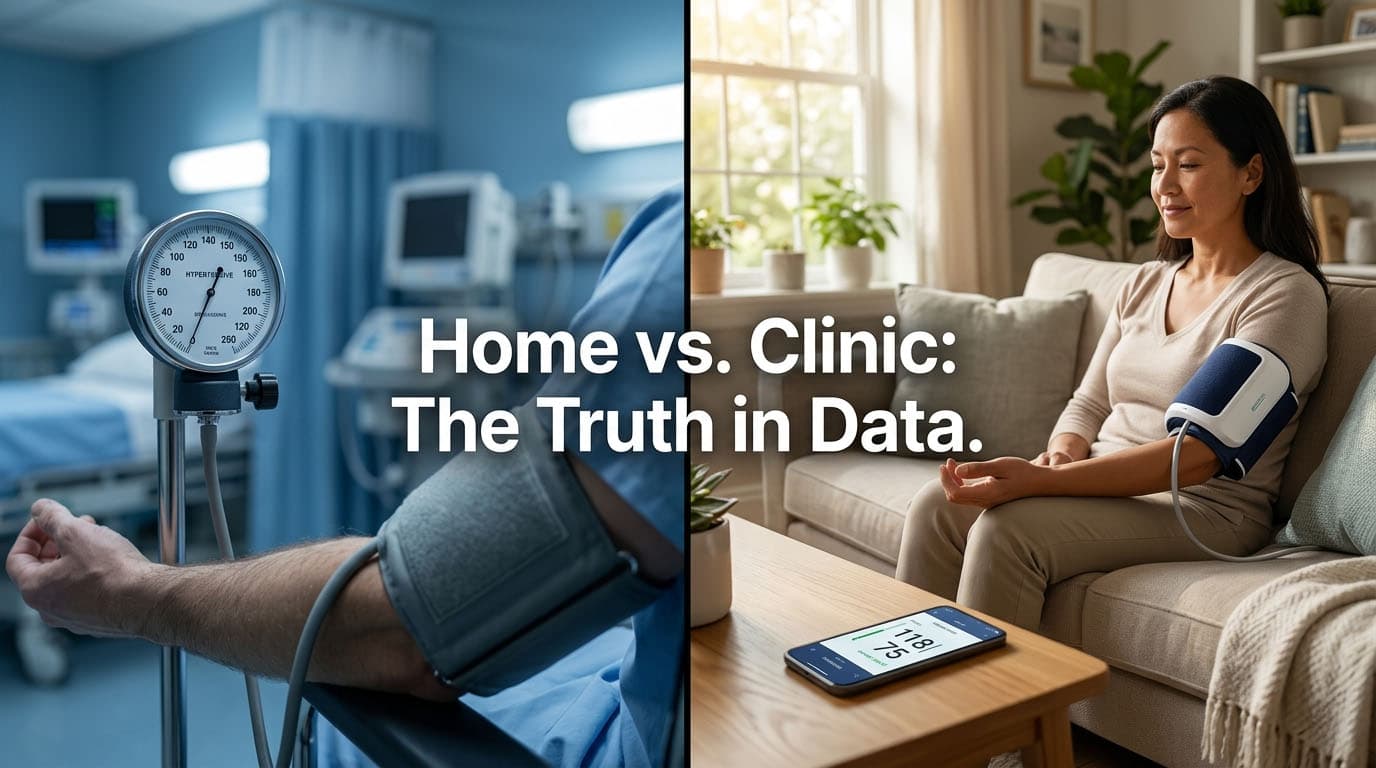
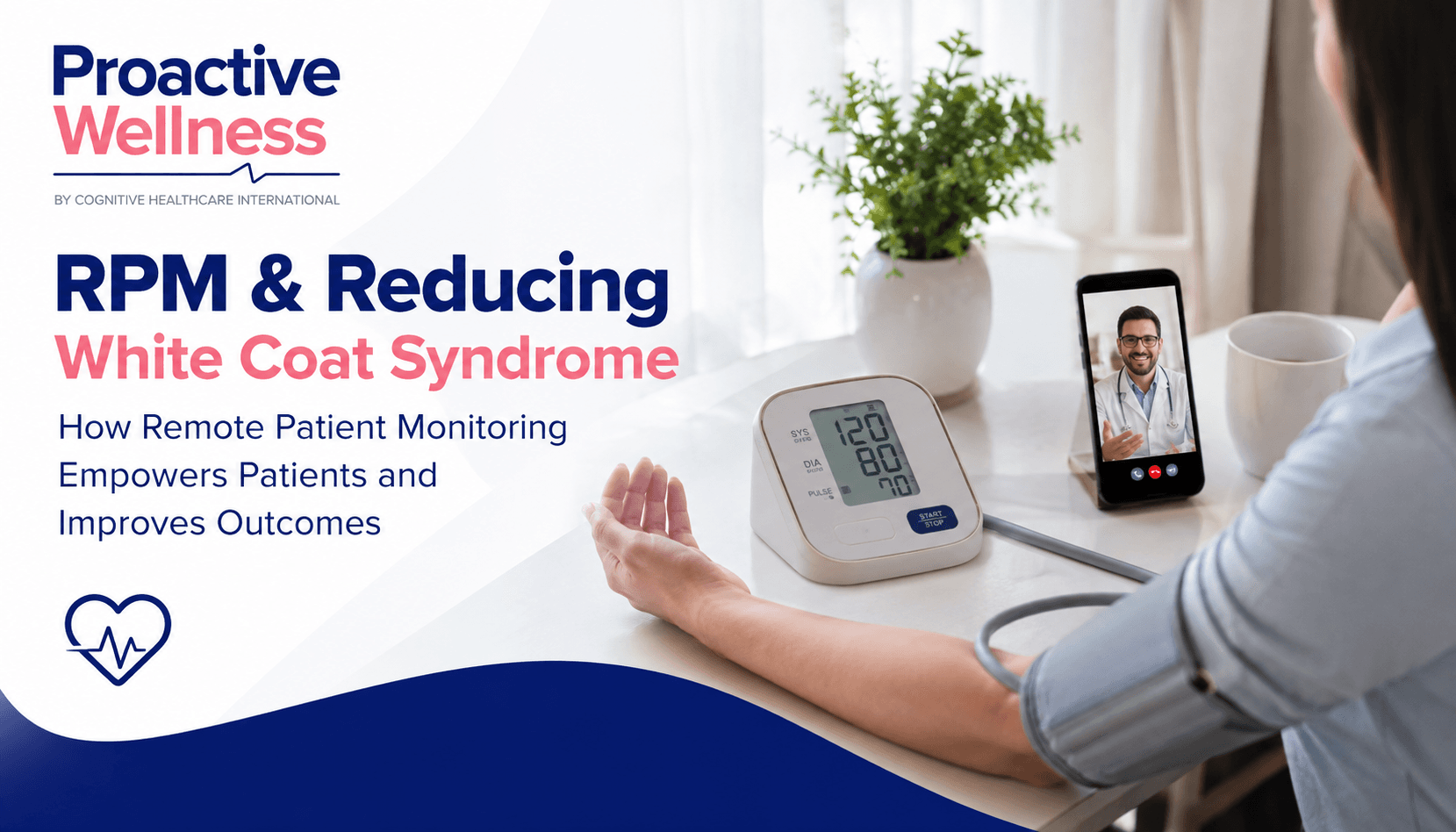
White coat syndrome can lead to inaccurate blood pressure readings in clinics. RPM allows for continuous monitoring at home, providing a clearer diagnostic picture.

The pandemic disrupted traditional health assessments. Remote programs proved adaptable, reaching BP goals for 94.6% of patients during the crisis.

The healthcare industry is shifting toward home-based care. RPM is a cost-effective way to improve outcomes, reduce costs, and generate new revenue streams.

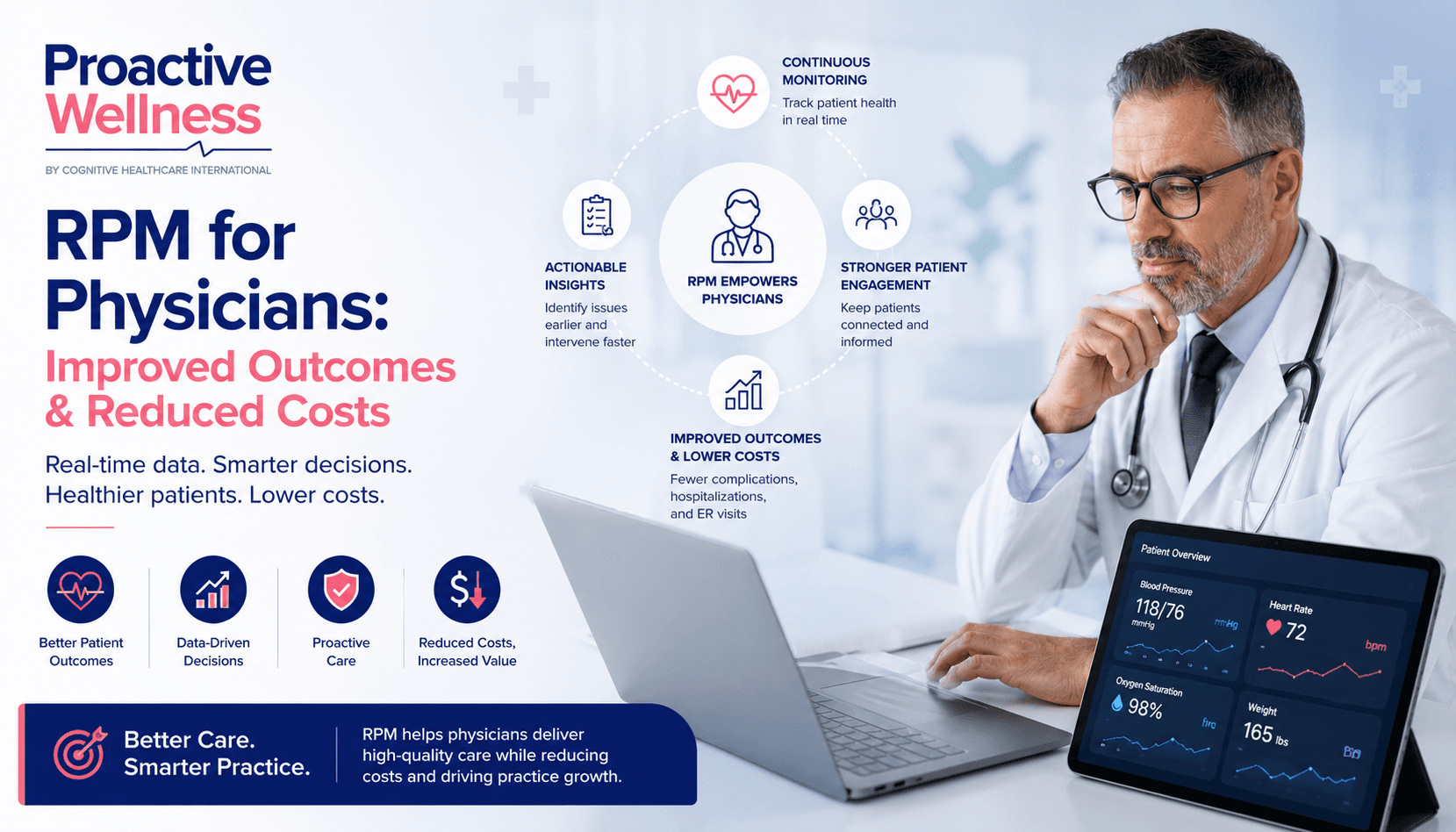
RPM provides physicians with real-time data to detect issues early, improve patient compliance, and significant cost savings through fewer readmissions.

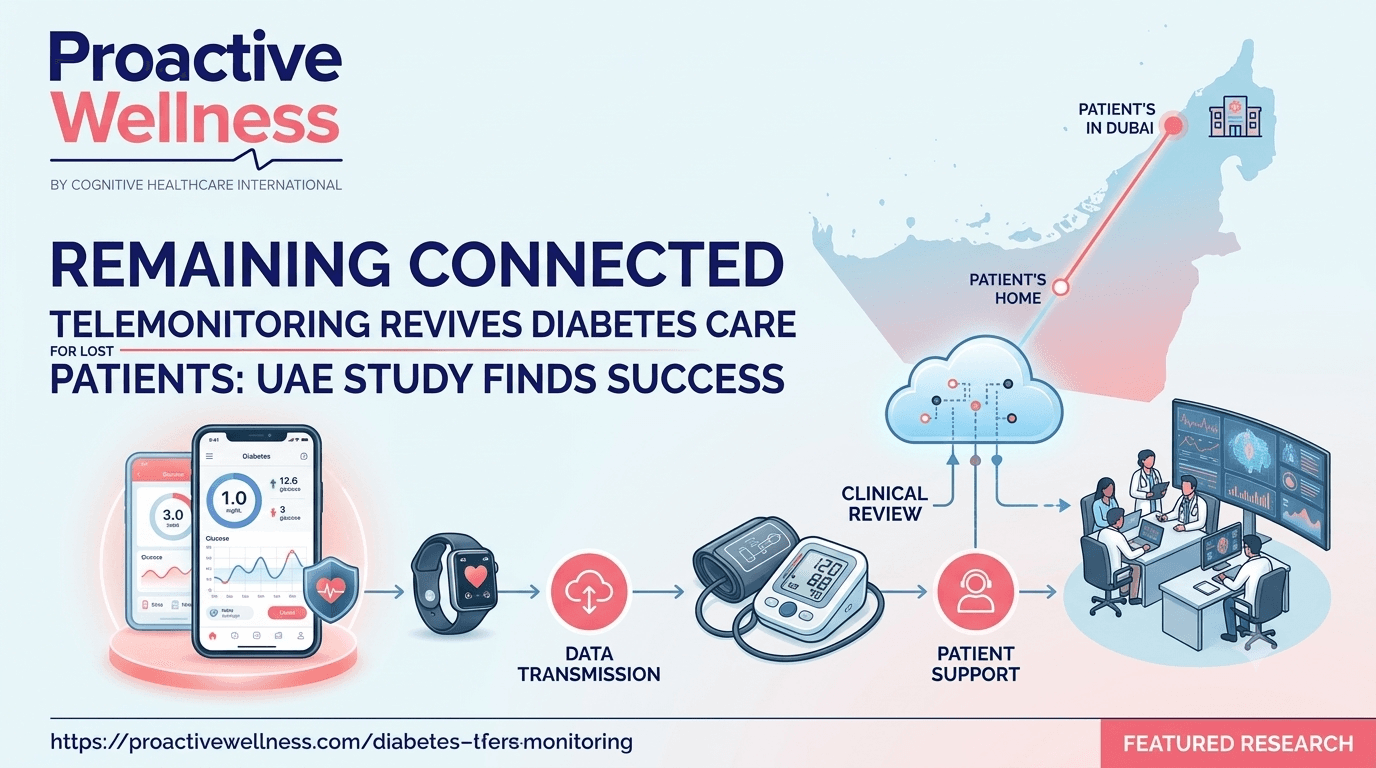
A study conducted at the Dubai Diabetes Center found that telemonitoring significantly improved HbA1c levels and body weight for patients previously lost to follow-up.

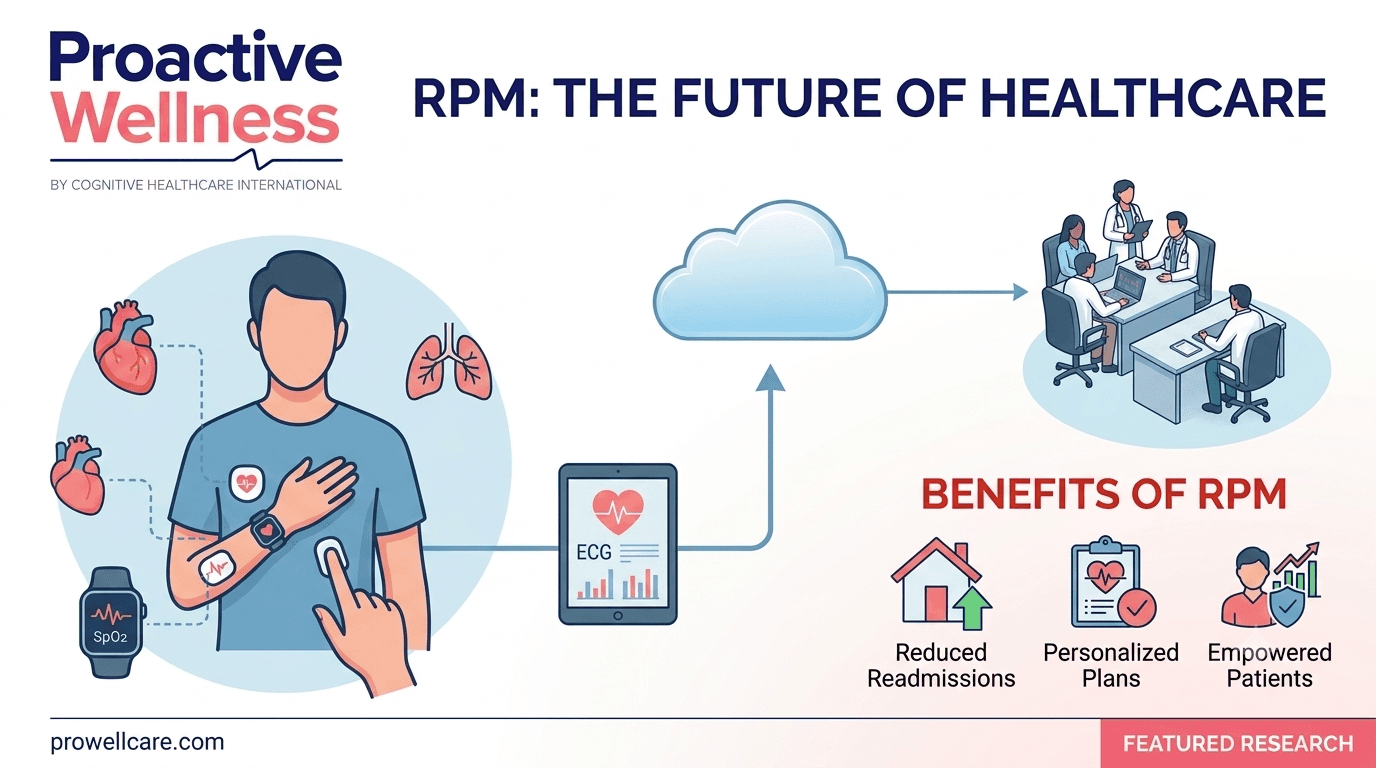
Remote patient monitoring is set to take center stage in the coming years. It personalized care, saves time, and empowers patients like never before.