World Diabetes Day 2026: Turn Early Action Into Connected Diabetes Care
By ProWellCare Editorial Team

World Diabetes Day is more than a reminder to talk about glucose. For primary care practices, endocrinology teams and healthcare organizations, it is an opportunity to ask a more operational question: what happens after a patient is identified as being at risk—or after the office visit ends?
The International Diabetes Federation’s 2026–2027 theme, “Early Action on Diabetes,” emphasizes early diagnosis, risk reduction and timely access to care. In practice, early action also depends on consistent follow-up, useful home-based information and coordinated support for people managing diabetes alongside other chronic conditions.
Source: CDC National Diabetes Statistics Report (updated 2026).
Why early action matters to healthcare practices
The CDC’s latest national estimates underline the size of the opportunity: millions of Americans live with diabetes, while many more have prediabetes. Earlier recognition offers a chance to connect people with screening, confirmatory testing, risk-reduction counseling and an appropriate care plan.
Yet diagnosis is only one point in a longer journey. After a diabetes-related visit, care teams may need to address medication understanding, blood pressure, glucose-monitoring needs, follow-up appointments, nutrition goals and barriers to engagement. These activities require a coordinated process—not simply another reading in a chart.
The opportunity between office visits
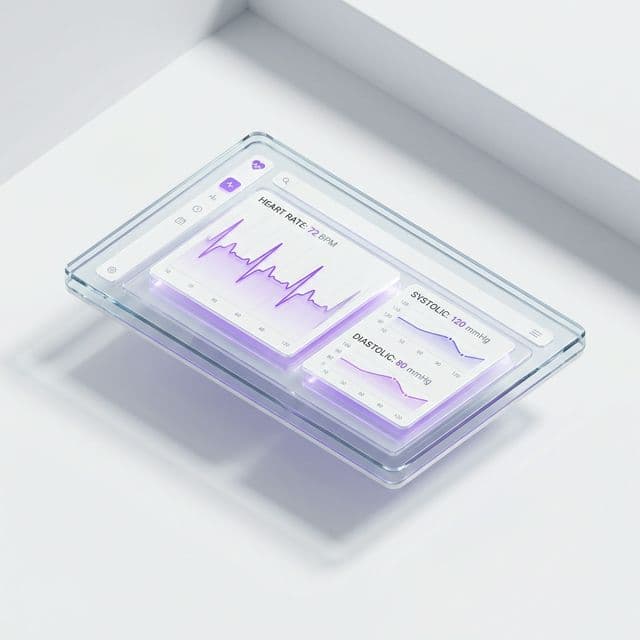
Diabetes care often involves decisions based on patterns over time. Depending on the patient and the technology prescribed, clinicians may benefit from additional information gathered outside the examination room. Remote monitoring can help care teams see selected health measurements between encounters, while structured chronic care management can support continuity and coordination for patients who meet program criteria.
Technology alone is not treatment. Data are useful when a clinical team has appropriate workflows for reviewing them, assessing risk, communicating with patients and escalating concerns to the treating practitioner.
An illustrative care pathway; actual clinical decisions remain with the treating provider.
How ProWellCare can support your practice and patients
ProWellCare focuses on remote care solutions for physician practices, including Remote Patient Monitoring (RPM) and Chronic Care Management (CCM). For organizations caring for patients with diabetes and related chronic conditions, these services can help establish a more deliberate approach to ongoing engagement.
1. Remote Patient Monitoring: greater visibility between visits
When an appropriate monitoring program is prescribed, RPM can help collect and organize selected physiological data outside the clinic. Care teams can use relevant measurements to support conversations, track trends and determine when a provider should review a concern. Monitoring devices, frequency, staffing, and billing eligibility should be matched to the patient and current payer requirements.
2. Chronic Care Management: more consistent care coordination
Patients with diabetes frequently manage other conditions such as hypertension or cardiovascular disease. For eligible patients with multiple chronic conditions, CCM can provide a structure for ongoing care planning, communication and coordination under the treating practice’s oversight. The goal is to make follow-up feel connected rather than fragmented.
3. Patient engagement that supports the clinical plan
Even a well-designed monitoring plan is only useful if patients understand how to participate. Enrollment education, expectations for readings and communication pathways should be clear and practical. ProWellCare’s remote care model gives practices an opportunity to build those steps into the patient journey.
ProWellCare + Phoenix Pharmacy: Connecting CGM access with remote diabetes care
An important part of the diabetes care pathway is getting prescribed technology into patients’ hands. In May 2026, ProWellCare announced a collaboration with Phoenix Pharmacy designed to support continuous glucose monitoring (CGM), remote patient monitoring and provider-led diabetes management.
Under the announced arrangement, Phoenix Pharmacy supports CGM order processing, pharmacy coordination and direct-to-patient fulfillment for eligible ProWellCare patients nationwide. Its pharmacy and distribution infrastructure is intended to simplify access to prescribed CGM equipment and supplies. ProWellCare’s remote monitoring and care support can complement this fulfillment pathway, while the treating provider remains responsible for clinical decisions.
Prescribe
Determine clinical need, device appropriateness and coverage documentation.
Coordinate
Support order processing and home delivery for eligible patients.
Support
Connect appropriate remote care engagement with ongoing clinical oversight.
Why it matters for practices: The collaboration can reduce fragmentation between a prescribed CGM, the pharmacy fulfillment process and the patient’s ongoing care plan. It is a practical example of how the 2026 theme—early action—can extend beyond a single visit.
Read the official ProWellCare–Phoenix Pharmacy collaboration announcement.
Important clinical and coverage considerations for CGM
CGM can be a valuable tool for selected people living with diabetes, but not every patient is automatically eligible. The treating clinician must choose a device appropriate for the patient’s condition and the device’s labeled indications. Payer rules, coverage criteria and documentation also vary.
For example, Medicare’s current CGM coverage guidance identifies criteria that include a diabetes diagnosis, appropriate device training, use consistent with FDA indications and either insulin treatment or a documented history of problematic hypoglycemia. Required practitioner visits and continued-coverage rules also apply. Practices should review the latest CMS guidance before ordering and billing.
Similarly, access to a CGM through pharmacy fulfillment does not automatically establish eligibility for RPM billing. Monitoring, clinical services, coding, claims and potential overlapping reimbursements must be evaluated separately against applicable rules.
A five-point World Diabetes Day action plan for practice leaders
- Review your at-risk population. Identify patients who may need guideline-appropriate screening, follow-up testing or diabetes education.
- Assess gaps in continuity. Look for missed follow-ups, unclear care plans and patients who struggle with self-monitoring instructions.
- Match monitoring to clinical need. Evaluate whether home measurements or CGM may add meaningful information for specific patients.
- Strengthen coordination. Define who reviews incoming information, who responds to patient concerns and when the treating clinician is notified.
- Consider scalable support. Explore whether a partner such as ProWellCare can complement the practice’s RPM and CCM workflows and how Phoenix Pharmacy’s CGM fulfillment pathway may fit eligible patients.
From diabetes awareness to everyday action
This November 14, healthcare organizations have an opportunity to look beyond a one-day campaign. Earlier identification matters. So does the experience that follows: access to prescribed devices, clear patient instructions, relevant health information, and a team prepared to act on it.
For providers working to deliver more connected chronic disease care, ProWellCare’s RPM and CCM services—alongside its announced CGM collaboration with Phoenix Pharmacy—offer a pathway worth exploring. The aim is not technology for its own sake, but better-organized support around the clinical plan.
Make early action part of your diabetes care strategy
Talk with ProWellCare about RPM, CCM, and how its Phoenix Pharmacy collaboration may support eligible patients in your practice.
Connect with ProWellCareOr email info@prowellcare.com
Frequently asked questions
How can RPM support patients living with diabetes?
When clinically appropriate, RPM can provide a structured flow of selected health measurements between appointments and help care teams determine when further review or contact is needed. It complements, rather than replaces, clinician-directed care.
What does Phoenix Pharmacy do in the ProWellCare collaboration?
According to ProWellCare’s May 2026 announcement, Phoenix Pharmacy supports CGM order processing, pharmacy coordination and direct-to-patient fulfillment for eligible ProWellCare patients nationwide.
Does every patient with diabetes qualify for CGM?
No. Clinical appropriateness and insurance coverage depend on specific criteria. Medicare, for example, requires a qualifying indication, appropriate documentation and follow-up visits. Practices should verify current rules before ordering.
Are RPM and CCM the same service?
No. RPM is centered on eligible remote physiological monitoring and associated care-management services, while CCM concerns ongoing care coordination for qualifying patients with multiple chronic conditions. Requirements and billing are distinct.
References and further reading
- International Diabetes Federation — World Diabetes Day 2026–27: Early Action on Diabetes.
- World Health Organization — World Diabetes Day 2026.
- CDC — National Diabetes Statistics Report.
- ProWellCare — Phoenix Pharmacy Collaboration Announcement (May 12, 2026).
- CMS — Glucose Monitoring Supplies: Coverage and Documentation.
This article is intended for healthcare professionals and practice administrators for educational purposes. It is not individualized medical advice, a guarantee of clinical results, or billing and coverage guidance for a particular patient. Confirm clinical decisions, payer requirements and program eligibility with current authoritative resources.